
How to Relieve Nerve Sensitivity With Care

A light touch from clothing, a bedsheet, or a warm shower should not feel like burning, electric shocks, or sharp pain. Yet for people living with nerve sensitivity, ordinary moments can become exhausting. To relieve nerve sensitivity safely, the goal is not to push through the pain or simply numb it. It is to understand what may be irritating the nervous system, protect function, and build a care plan that helps you move through life with greater comfort and confidence.
Nerve sensitivity can affect the feet, hands, neck, back, face, or an area changed by injury, surgery, stroke, or long-term swelling. It deserves thoughtful attention, especially when it begins to limit sleep, work, walking, or independence.
What Nerve Sensitivity Can Feel Like
Nerves carry messages between the brain, spinal cord, skin, muscles, and internal tissues. When a nerve is compressed, injured, inflamed, or made overly reactive by persistent pain, those messages can become distorted. The result may be pain without an obvious new injury, or pain that feels far stronger than the touch or movement that triggered it.
People describe nerve-related symptoms in different ways: tingling, pins and needles, numbness, burning, buzzing, shooting pain, itching, sensitivity to temperature, or pain from light contact. Some people experience allodynia, meaning a normally non-painful sensation, such as fabric brushing the skin, feels painful. Others have weakness, clumsiness, balance changes, or a feeling that a limb is asleep.
These symptoms do not automatically point to one diagnosis. Diabetes, spinal conditions, carpal tunnel syndrome, shingles, chemotherapy, circulation problems, scar tissue, vitamin deficiencies, autoimmune disease, stroke-related changes, and repeated strain can all play a role. Sometimes the cause is clear. Sometimes it takes careful evaluation to identify the contributing factors.
How to Relieve Nerve Sensitivity Without Making It Worse
The most effective approach depends on the cause, the location of symptoms, and whether weakness or loss of function is present. A plan that helps one person may aggravate another. Start with small, repeatable steps rather than aggressive stretches, intense massage, or exercise that leaves symptoms flaring for days.
Reduce irritation in daily routines
Look for patterns before trying to “fix” the problem. Notice whether symptoms worsen after sitting, driving, typing, standing, walking, carrying a bag, or sleeping in a particular position. A simple symptom journal can help connect pain spikes to activities, footwear, stress, or poor sleep.
Then make practical adjustments. For foot sensitivity, roomy shoes, soft moisture-wicking socks, and checking the skin daily may reduce friction and prevent unnoticed injuries. For hand symptoms, changing keyboard height, taking brief breaks from repetitive gripping, and using a neutral wrist position can reduce strain. For neck or back-related symptoms, frequent position changes are often safer than holding one posture for hours.
The point is not to stop moving. Complete inactivity can increase stiffness, weaken muscles, and make the nervous system more protective. The better target is paced activity: do enough to maintain function, then increase gradually as the body tolerates it.
Use gentle movement and desensitization
When movement is safe, gentle mobility work can support circulation, joint motion, and confidence. Walking in short intervals, controlled range-of-motion exercises, and clinician-guided strengthening may help reduce the fear and guarding that often accompany chronic pain.
For touch sensitivity, desensitization may be appropriate. This usually involves brief, controlled exposure to tolerable textures, beginning with the least irritating material and progressing slowly. For example, a therapist may guide someone to touch a sensitive area with soft cotton before advancing to a towel or different fabric. The goal is to teach the nervous system that safe contact does not require a danger response.
This should not be a “no pain, no gain” exercise. If exposure causes a strong flare that lasts well beyond the session, the pace may be too fast. A rehabilitation professional can help set a level that challenges the system without overwhelming it.
Support sleep, stress regulation, and nutrition
Poor sleep can lower pain tolerance and heighten nerve sensitivity. A consistent sleep schedule, a dark and cool room, and a wind-down routine may sound basic, but they can make a meaningful difference when pain is persistent. If sheets are painful against the feet or legs, a bed cradle or lightweight blanket arrangement may help keep fabric from pressing on sensitive areas.
Stress does not mean pain is “all in your head.” It means the nervous system responds to threat, exhaustion, financial strain, and uncertainty. Slow breathing, brief mindfulness practices, counseling, or a support group can reduce the overall alarm level in the body. These tools work best alongside medical and rehabilitation care, not as a replacement for it.
Nutrition also matters, particularly for people with diabetes or nutritional deficiencies. Stable blood sugar management can protect nerves over time. Before taking high-dose supplements, speak with a clinician. Some supplements can interact with medications, and excessive vitamin B6, for example, may itself contribute to nerve problems.
Clinical Care Can Address the Cause, Not Just the Symptom
Over-the-counter pain relievers may help with muscle soreness around a painful area, but they do not consistently treat nerve pain. Some people benefit from topical treatments, prescription medications designed for nerve pain, or targeted treatment for an underlying condition. The right choice depends on medical history, other medications, fall risk, kidney or liver health, and the nature of the symptoms.
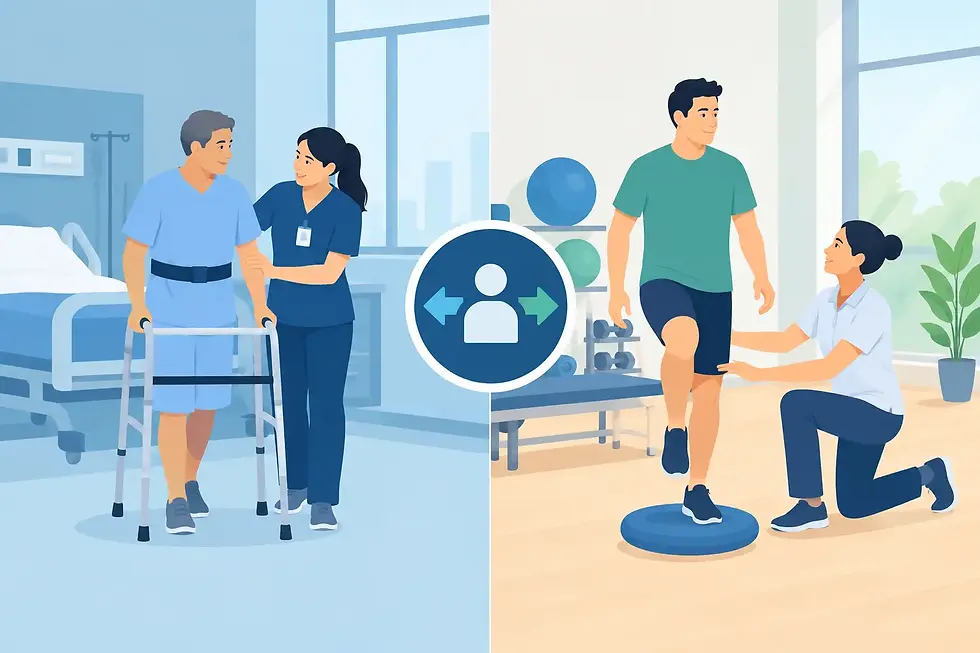
Hands-on rehabilitation can also be valuable when nerve sensitivity is connected to stiffness, scar restriction, altered movement, post-stroke changes, swelling, or musculoskeletal dysfunction. Skilled care may include therapeutic exercise, movement retraining, soft-tissue techniques, lymphatic support when indicated, and education that helps patients return to daily activity safely.
At CAMED, this kind of non-surgical, function-focused care is part of a broader commitment to helping people move beyond the gap between acute treatment and real recovery. Chronic pain should not force a person to choose between unaffordable care and reduced independence.
When Nerve Symptoms Need Urgent Attention
Do not wait for a routine appointment if nerve symptoms appear suddenly or come with signs of a medical emergency. Call 911 or seek emergency care for sudden facial drooping, trouble speaking, confusion, severe headache, new loss of balance, or weakness on one side of the body. These can be signs of stroke.
Urgent evaluation is also needed for new bowel or bladder control problems, numbness in the groin or inner thighs, rapidly worsening leg weakness, or severe back pain with these symptoms. New numbness or weakness after a major injury, a deep cut, or a burn should also be assessed promptly.
Schedule a medical evaluation soon if burning, numbness, or tingling is persistent, spreading, disrupting sleep, causing falls, or accompanied by skin color changes, wounds, swelling, fever, or unexplained weight loss. Earlier assessment can protect function and prevent complications, particularly for people with diabetes or circulation concerns.
Build a Plan That Protects Independence
Nerve sensitivity can be invisible to others, but its impact is real. It can change how safely you walk, whether you can prepare meals, how long you can work, and whether you feel comfortable being touched. That is why care should measure more than a pain score. It should consider sleep, mobility, strength, confidence, and the activities that make a person feel like themselves.
A good plan is specific: identify likely triggers, set a manageable movement goal, protect sensitive skin, address medical causes, and reassess when symptoms change. If progress is slow, that does not mean recovery is out of reach. It may mean the body needs a more individualized pace and a team that takes persistent pain seriously.
You deserve care that treats nerve sensitivity as a real barrier to daily life, while keeping the focus where it belongs: on restoring the comfort, movement, and independence that pain has tried to take away.


Comments