Best Therapies for Nerve Pain That Help

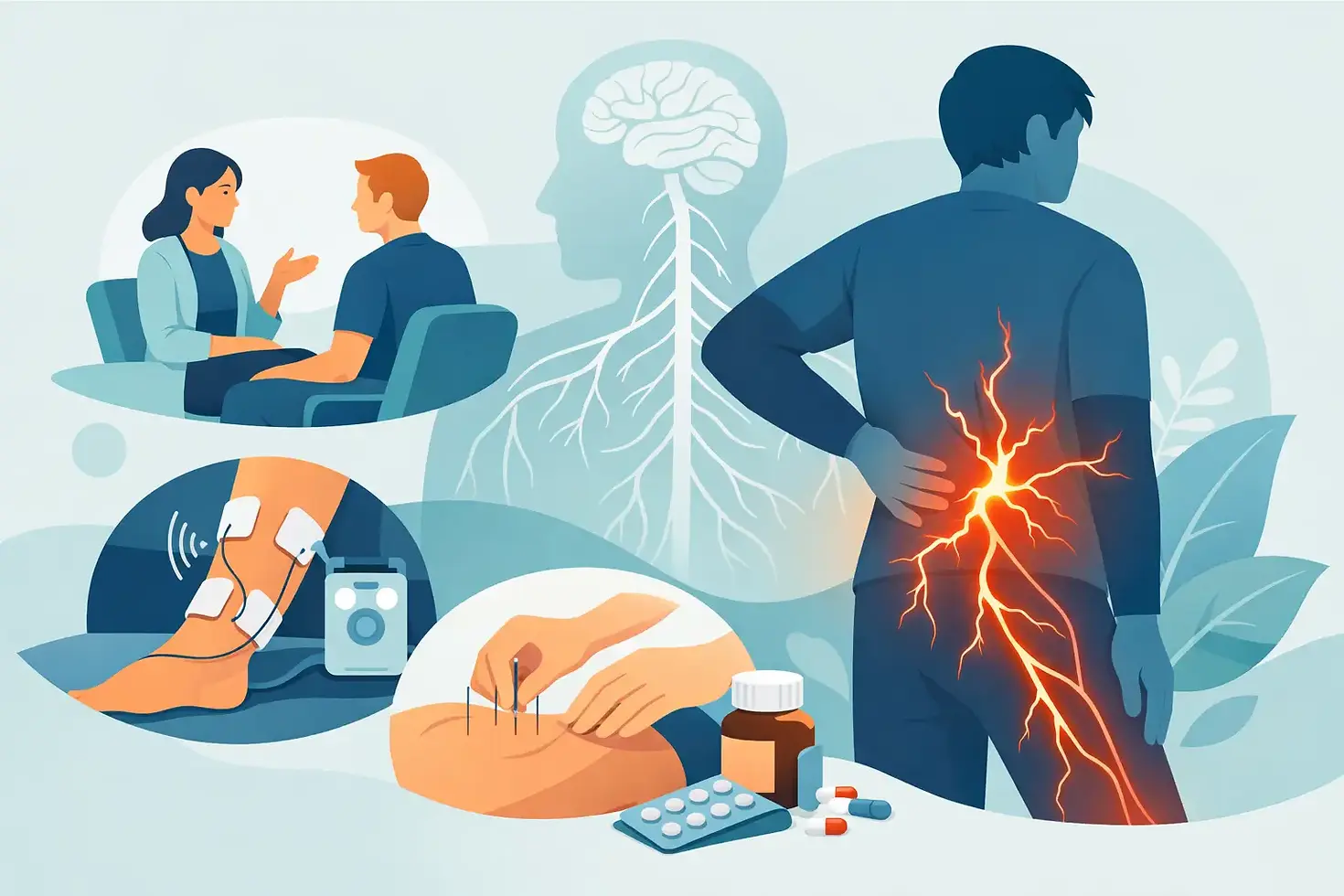
Nerve pain can make ordinary life feel like a constant negotiation. A shirt sleeve brushing your arm, a few steps across the kitchen, or trying to sleep through the night can trigger burning, tingling, stabbing, or electric sensations that wear down your energy and your confidence. When people search for the best therapies for nerve pain, they are usually not looking for theory. They want to know what can actually reduce pain, restore movement, and help them function again.
That answer is rarely one single treatment. Nerve pain is complex. It can follow injury, surgery, diabetes, stroke, spinal conditions, repetitive strain, inflammation, or compression of a nerve. It can affect the arms, legs, hands, feet, face, or back. Because the causes vary, the most effective care plan usually combines therapies that calm irritated nerves, improve movement, and address the reason the nerve became painful in the first place.
What makes nerve pain different
Unlike muscle soreness or joint stiffness, nerve pain often feels strange and unpredictable. Some people describe numbness mixed with burning. Others feel hypersensitivity, weakness, cramping, or shooting pain that travels along a path. This matters because treatment has to do more than mask discomfort. It must consider how the nervous system is reacting, whether the nerve is compressed or damaged, and how long the symptoms have been present.
That is also why quick fixes often disappoint. If a nerve is still being irritated by poor mechanics, scar tissue, swelling, uncontrolled blood sugar, or spinal compression, short-term relief may not last. The best care looks at both symptom control and functional recovery.
Best therapies for nerve pain often work best together
A blended treatment plan tends to give patients the strongest chance of improvement. For some, medication reduces the intensity enough to begin therapy. For others, hands-on treatment and targeted rehabilitation are the turning point. The right mix depends on severity, cause, age, general health, and how much weakness or sensory loss is present.
Therapeutic exercise and guided rehabilitation
One of the most effective therapies for many forms of nerve pain is structured rehabilitation. This does not mean pushing through pain with generic workouts. It means careful, targeted movement designed to improve circulation, reduce mechanical irritation, restore mobility, and rebuild strength without overloading the nervous system.
If a nerve is compressed by posture, joint dysfunction, scar restriction, or muscle imbalance, guided exercise can reduce the pressure contributing to symptoms. In cases such as sciatica, peripheral neuropathy, post-stroke nerve-related dysfunction, or chronic neck and arm pain, progressive therapy may help improve balance, gait, coordination, endurance, and daily function.
The trade-off is timing and patience. Exercises that are too aggressive can flare symptoms. Exercises that are too limited may not change the underlying problem. That is why individualized rehab matters.
Manual therapy and specialized hands-on care
Hands-on therapy can be valuable when nerve pain is linked to soft tissue restriction, joint stiffness, post-surgical changes, or altered movement patterns. Skilled manual treatment may help improve tissue mobility, reduce guarding, and make it easier for the body to move without constantly provoking symptoms.
This area requires nuance. Not every patient with nerve pain should receive deep or forceful treatment. In fact, some irritated nerves become more sensitive with overly aggressive pressure. The goal is precision, not intensity. Gentle mobilization, nerve gliding strategies, and clinically appropriate soft tissue work can be helpful when they are matched to the patient’s tolerance and diagnosis.
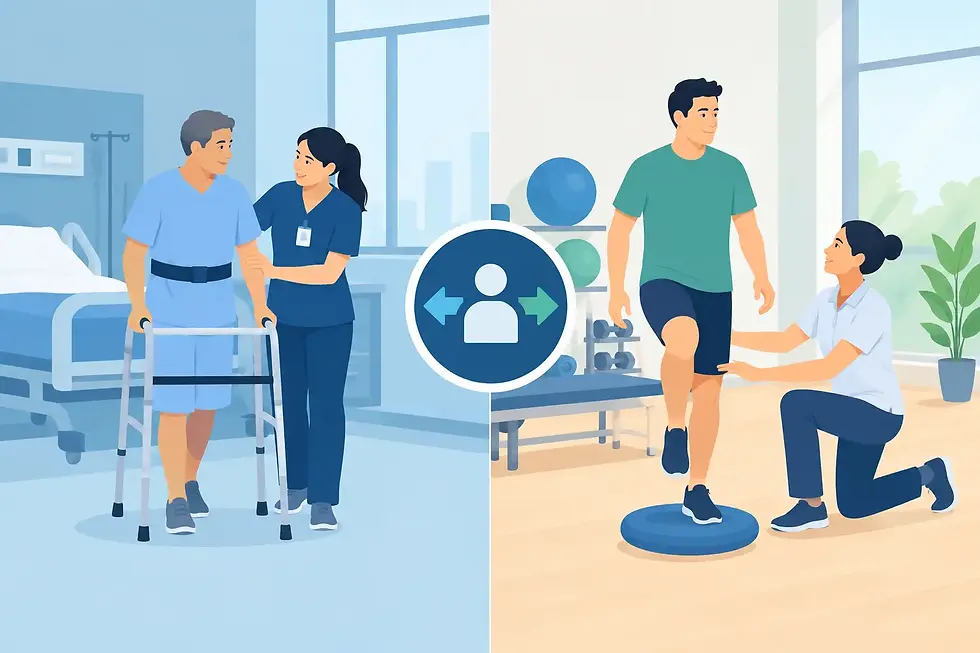
For patients who have been told to simply rest or wait it out, this kind of focused care can be an important bridge between hospital discharge and real recovery.
Medications for neuropathic pain
Medication can play a meaningful role, especially when pain is severe enough to disrupt sleep, limit movement, or prevent participation in therapy. Standard over-the-counter pain relievers often do not work well for true neuropathic pain. Physicians may instead consider medications that affect nerve signaling, including certain antidepressants, anti-seizure medications, topical agents, or other prescription options.
These treatments can help, but they come with trade-offs. Some cause drowsiness, dizziness, dry mouth, swelling, or mental fog. Others may help one person and do very little for another. Medication is often most useful as part of a broader plan rather than the entire plan.
Desensitization and sensory retraining
When the nervous system becomes overly reactive, light touch, temperature, or normal movement can feel exaggerated and painful. In these cases, desensitization therapy may help calm the pain response over time. This can include exposure to different textures, temperatures, and controlled sensory input in a structured way.
Sensory retraining is especially relevant after nerve injury, surgery, stroke, or prolonged pain patterns that change how the brain interprets sensation. Progress can be gradual, but for the right patient it can reduce fear, improve tolerance, and make daily activities feel less threatening.
The best therapies for nerve pain by cause
A common mistake is treating all nerve pain as if it were the same condition. It is not.
If the problem comes from diabetic neuropathy, blood sugar management is part of treatment. If it comes from a pinched nerve in the spine, reducing mechanical compression is key. If it follows stroke, the treatment plan may need to address tone, weakness, and neurological reorganization. If swelling or lymphatic congestion is contributing to pressure and pain, fluid management and gentle therapeutic care may matter more than people realize.
This is why a thorough assessment matters so much. Burning feet, hand numbness, facial pain, and sciatic leg pain may all be described as nerve pain, but they do not respond to the same plan.
When interventional or advanced care may be needed
Not all nerve pain improves with conservative therapy alone. Some patients need imaging, specialist evaluation, injections, or surgical review, particularly if there is progressive weakness, significant numbness, bowel or bladder changes, or signs of severe compression.
That does not mean surgery is the automatic next step. Many people improve with non-surgical care when it is timely, skilled, and consistent. But there are moments when delaying medical evaluation can increase long-term risk. Effective pain care should never ignore red flags in the name of staying conservative.
Home strategies that support recovery
The best clinic-based treatment can still fall short if daily habits keep the nerve irritated. Small changes often matter more than patients expect. Sleep position, repetitive motions, footwear, workstation setup, pacing, and blood sugar control can all affect symptoms.
Heat or ice may help in some cases, though nerve pain responses vary. Gentle movement is usually better than complete inactivity, but overdoing activity on a good day can cause setbacks the next day. That pattern is common in chronic pain. Recovery is often steadier when people learn how to build tolerance gradually instead of cycling between rest and overload.
Stress management also belongs in this conversation. Nerve pain is physical and real, but persistent pain can increase nervous system sensitivity. Better sleep, breathing work, and support for anxiety or frustration do not replace treatment. They help the body respond to treatment more effectively.
What patients should look for in a treatment program
If you are seeking care, look for a program that does more than hand you a pain scale and a generic exercise sheet. Good nerve pain treatment should include a detailed assessment, a clear explanation of what may be driving symptoms, measurable functional goals, and a plan that can be adjusted as your body responds.
Access matters too. Too many patients fall into a gap after hospital care, after an injury, or after months of unresolved pain because specialized treatment feels out of reach. That gap is where disability grows. Mission-driven organizations such as CAMED exist to change that by making advanced non-surgical therapeutic care more accessible to people who need a real path back to movement, independence, and hope.
A realistic view of recovery
Some nerve pain improves quickly once the source of irritation is addressed. Other cases take time, especially when symptoms have lasted for months or years. Healing may not be linear. You might have a better week, then a flare, then another step forward. That does not always mean treatment is failing.
The goal is not perfection overnight. It is meaningful progress - less pain, better sleep, steadier walking, improved hand use, fewer limitations, and more confidence in daily life. The best therapies for nerve pain are the ones that match the cause, respect the nervous system, and help you reclaim function instead of just chasing temporary relief.
If nerve pain has been shrinking your world, that is reason to act, not wait. The right therapy plan can do more than quiet symptoms. It can help you move toward a life that feels possible again.


Comments