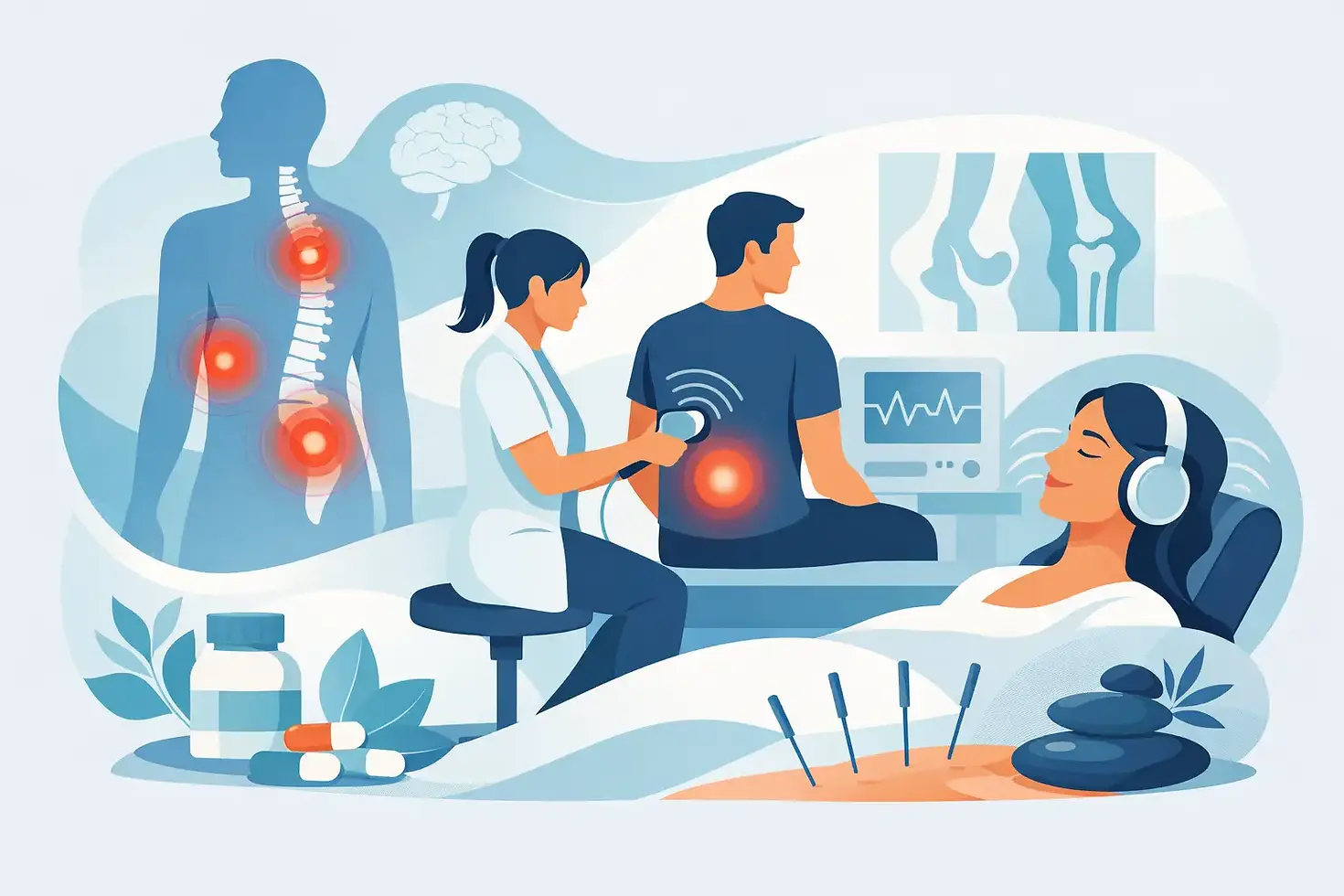
Non Surgical Chronic Pain Treatment That Works
When pain keeps showing up long after the injury, hospital visit, or diagnosis, the problem is no longer just discomfort. It starts taking away sleep, mobility, work, confidence, and the basic routines that make life feel normal. That is why non surgical chronic pain treatment matters. For many people, the real goal is not simply to hurt less. It is to move again, function again, and regain some control over daily life without jumping straight to an operation.
Chronic pain is often treated in fragments. One provider addresses medication. Another looks at imaging. Someone else suggests rest, or says surgery may be the next step. But pain that lasts for months rarely comes from one simple cause, and it rarely improves through one isolated fix. Muscles tighten to protect the body. Joints lose mobility. Nerves become more sensitive. Weakness sets in. Fear of movement grows. Before long, the pain problem becomes a function problem.
What non surgical chronic pain treatment really means
Non surgical chronic pain treatment is not one therapy. It is a clinical approach built around reducing pain while restoring how the body moves and performs. That distinction matters. A person can have a lower pain score and still struggle to walk, bend, lift, sleep, or return to work. Effective care has to address both symptoms and function.
This kind of treatment may include hands-on therapy, targeted rehabilitation, mobility work, therapeutic exercise, postural correction, soft tissue treatment, and longer-term recovery planning. In some cases, the right plan also includes coordination with a physician, imaging review, or medication support. The point is not to reject every medical intervention. The point is to use the least invasive path that can still create meaningful recovery.
For patients with back pain, neck pain, joint stiffness, post-stroke limitations, old injuries, or long-standing musculoskeletal dysfunction, that can be the difference between temporary relief and actual progress.
Why surgery is not always the first answer
There are times when surgery is necessary. Severe structural damage, instability, certain neurologic emergencies, and specific progressive conditions may require it. But many people are told to consider surgery before a full course of conservative treatment has been tried with enough depth or consistency.
That is a problem because surgery does not automatically solve chronic pain. If the body has already adapted poorly for months or years, an operation may address one piece of the issue while leaving weakness, compensation patterns, scar restrictions, or movement fear untouched. Some patients improve dramatically after surgery. Others continue to struggle because the pain was never purely structural.
Non-surgical care can also be the better fit when the pain source is mixed. A person may have arthritis on imaging but also major soft tissue restriction, poor mechanics, deconditioning, and inflammation from inactivity. In that case, the image alone does not tell the whole story, and a surgical plan based on the image alone may miss what is still treatable.
The best treatment plan starts with a better assessment
A rushed pain visit often leads to a rushed answer. Chronic pain needs more attention than that.
A useful evaluation looks at where the pain is, but also when it appears, what worsens it, what relieves it, how it affects walking or reaching or sleeping, and what changed after the original injury or illness. Range of motion, muscle guarding, balance, posture, gait, and daily function all matter. For stroke survivors and older adults, independence in basic activities can matter even more than pain scores.
This is where specialized therapeutic care becomes essential. If treatment only chases symptoms, patients can end up in a cycle of temporary relief followed by another setback. If treatment identifies the movement losses and physical barriers keeping the body in pain, recovery becomes more realistic.
Common therapies used in non surgical chronic pain treatment
Hands-on therapeutic treatment is often one of the most effective starting points because chronic pain frequently comes with stiffness, guarding, swelling, and mechanical restriction. When tissues and joints are not moving well, exercise alone may feel impossible. Skilled manual care can help the body tolerate movement again.
Therapeutic exercise also has an important role, but it has to be specific. General advice to stretch more or strengthen the core is rarely enough. The right program depends on the condition, pain sensitivity, age, baseline mobility, and recovery goals. Someone returning to work after a back injury needs a different progression than someone recovering balance and arm function after a stroke.
Postural and movement retraining can reduce repeated strain that keeps pain active. This is especially important for people who sit for long periods, perform repetitive work, or developed compensations after injury. Lymphatic support and swelling management may also matter for some patients, particularly when fluid buildup, tissue congestion, or post-surgical changes are contributing to discomfort and reduced motion.
None of these options should be presented as magic. The trade-off is that non-surgical treatment often takes participation, follow-through, and time. But when care is structured properly, the gains can be more durable because patients are not just being treated. They are being helped back into function.
Who benefits most from non surgical chronic pain treatment
People with musculoskeletal pain are often strong candidates, especially those dealing with chronic back pain, neck pain, shoulder dysfunction, joint stiffness, repetitive strain, mobility decline, or persistent pain after an accident. Patients recovering from hospitalization or stroke may also benefit when the immediate crisis has passed but the body has not truly recovered.
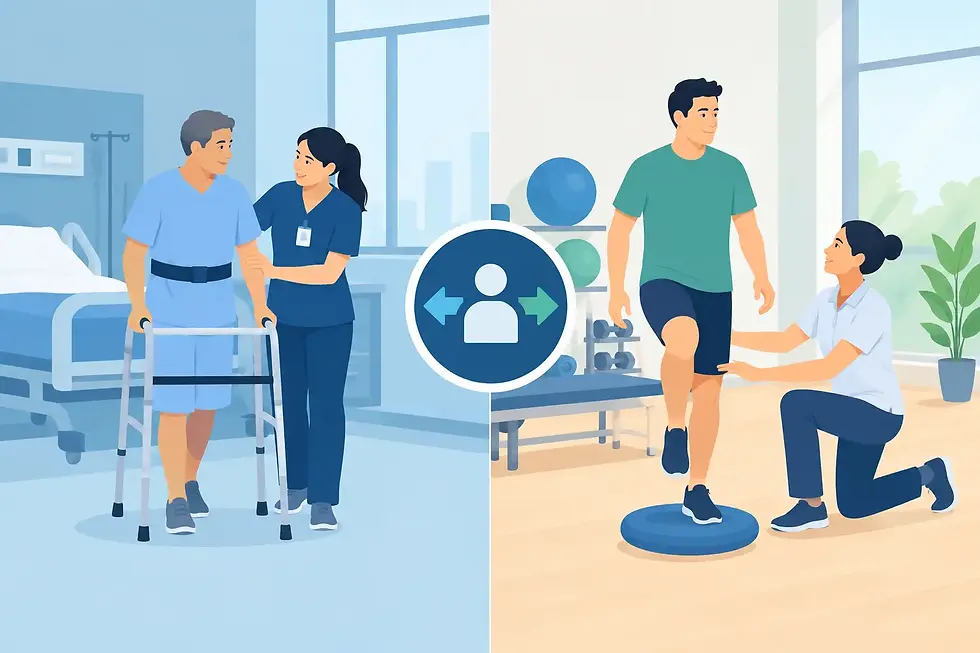
This approach is particularly valuable for people who feel stuck between settings. They may be too stable for hospital care, but still too limited to return to normal life. They may have finished a short course of therapy but still cannot climb stairs, stand long enough to cook, or walk without pain. That gap in care is where too many patients lose momentum.
For underserved households, non-surgical care can also be the more realistic option financially and practically. Major procedures bring costs, time away from work, transportation challenges, and the possibility of a difficult recovery. Conservative treatment is not free of effort, but it may offer a more accessible path toward improvement when delivered with affordability in mind.
What to expect from a good chronic pain program
A strong program should have clear goals. Not just pain reduction, but goals tied to life: walking farther, sleeping better, using the arm again, bending with less fear, getting back to work, or staying independent at home.
It should also adjust over time. Early treatment may focus on calming pain and restoring basic movement. Later care may emphasize endurance, strength, coordination, or return to activity. If a plan never changes, it may not be responding to the patient.
Just as important, good care does not shame patients for slow progress. Chronic pain recovery is rarely linear. Flare-ups happen. Some conditions improve quickly, while others need steady support over months. What matters is whether the patient is moving toward better function, not whether every week is perfect.
At CAMED, this philosophy is central to care. People deserve advanced, non-surgical therapeutic support before being pushed toward more invasive options, and they deserve access to that care even when income is limited.
When non surgical chronic pain treatment may not be enough on its own
Honest care includes limits. If pain is worsening rapidly, if there is major loss of strength, loss of bowel or bladder control, unexplained systemic illness, fracture, infection, or another serious red flag, a higher level medical evaluation is necessary. Conservative care should never delay urgent treatment.
There are also cases where non-surgical treatment helps but does not fully resolve the problem. That does not mean it failed. Sometimes its role is to reduce pain, improve function, and prepare the body for the next step, whether that is further medical workup, a procedure, or longer-term rehabilitation.
The key is thoughtful decision-making instead of automatic escalation. Surgery should be considered because it is truly indicated, not because the patient never had access to comprehensive conservative care.
Too many people live with pain for years because they think their only choices are to tolerate it, medicate it, or operate on it. There is another path. The right non-surgical treatment can reduce pain, restore movement, and give people a real chance to rebuild independence. If pain has been controlling your days, the next step should not be guesswork. It should be care that sees the whole person and fights for recovery that lasts.


Comments