
Outpatient Recovery vs Home Rest: What Helps?

After a hospital discharge, a flare-up of back pain, or a stroke, “go home and rest” can sound like a complete plan. For many people, it is only the first step. The question of outpatient recovery vs home rest is really about what your body needs to regain safe movement, manage symptoms, and return to the tasks that make daily life possible.
Rest has a real place in healing. So does professional recovery care. The problem begins when rest becomes the only strategy for pain, weakness, stiffness, swelling, or loss of function that does not improve. Waiting too long can allow fear of movement, deconditioning, and preventable disability to take hold.
Outpatient Recovery vs Home Rest: The Core Difference
Home rest means reducing activity, protecting an injured or recovering area, and giving the body time to stabilize. It may include prescribed medication, basic home exercises, ice or heat when appropriate, and support from family. For a short period after an acute illness, procedure, injury, or severe pain episode, this approach may be exactly what a physician recommends.
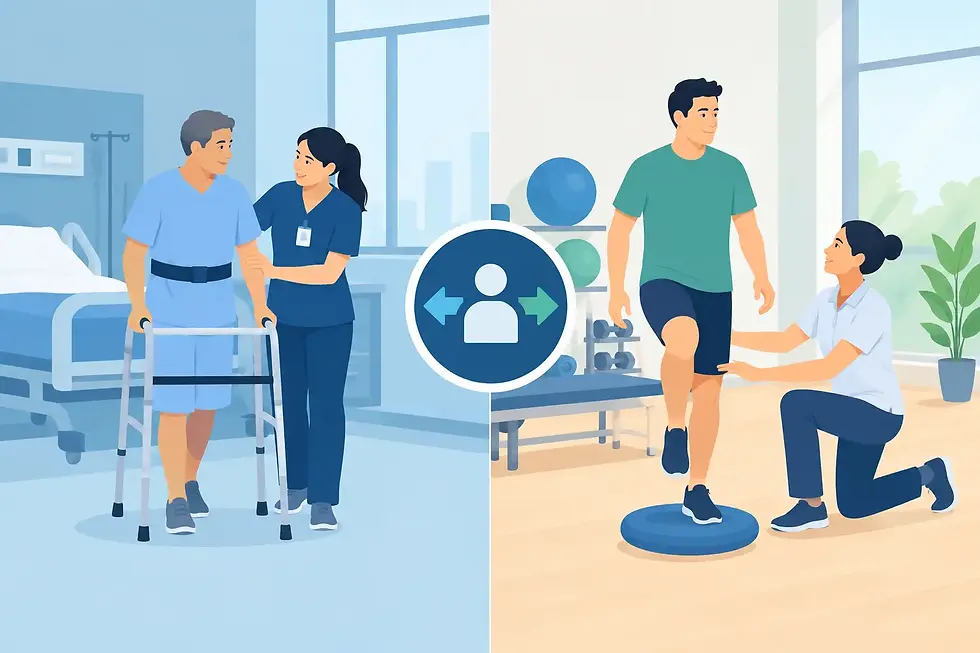
Outpatient recovery is active, structured care delivered after you leave the hospital or while you continue living at home. It typically begins with an evaluation of pain, mobility, strength, balance, swelling, nerve symptoms, and the real-life activities you need to do. A clinician then creates a treatment plan that may include hands-on therapy, therapeutic exercise, mobility training, pain-management approaches, education, and progress monitoring.
The difference is not simply rest versus exercise. Good outpatient care helps determine what movement is safe, what must be modified, and what symptoms require a call to your medical provider. It turns recovery from a vague instruction into a measurable plan.
When Home Rest May Be Enough
Short-term rest can be useful when symptoms are mild, clearly improving, and not limiting essential function. A simple muscle strain, for example, may respond to a brief reduction in aggravating activity followed by gradual return to normal movement. Rest may also be necessary immediately after certain surgeries or during an acute illness when your medical team has given specific restrictions.
But complete bed rest is rarely the answer for extended periods unless a physician specifically directs it. Too much inactivity can reduce strength, worsen joint stiffness, affect balance, contribute to constipation or poor sleep, and make pain feel more overwhelming. For older adults and people living with chronic conditions, even a short loss of mobility can make everyday tasks harder.
A practical test is this: are you able to do a little more, a little more safely, as the days pass? If the answer is no, home rest alone may not be moving recovery forward.
When Outpatient Care Can Change the Recovery Path
Outpatient rehabilitation is often appropriate when a person has been discharged from a hospital, emergency department, skilled nursing facility, or inpatient rehabilitation program but has not returned to prior function. It can also help when pain has lasted long enough to change how you walk, work, sleep, climb stairs, or use your hands.
For a person recovering from a stroke, the need may be clear: weakness, poor coordination, stiffness, shoulder pain, or difficulty walking can continue long after discharge. Consistent therapeutic care can focus on safer transfers, gait, range of motion, functional use of the affected side, and strategies that support independence at home.
For someone with neck, back, hip, knee, or shoulder pain, the signs may be more subtle. Perhaps they have stopped driving, avoid lifting a grandchild, take frequent days off work, or rely on others for shopping and household tasks. Those are functional losses, not inconveniences to ignore. They deserve an assessment and a plan.
Outpatient care can also be valuable for persistent swelling, lymphatic concerns, scar-related tightness, balance changes, chronic nerve pain, and long-standing musculoskeletal conditions. The goal is not to push through pain. It is to identify a tolerable path toward greater movement, confidence, and control.
Care should fit the person, not just the diagnosis
Two people can have the same diagnosis and need very different recovery plans. One may need to rebuild strength after weeks in bed. Another may have adequate strength but severe guarding, swelling, or pain with movement. A caregiver may need training on safe transfers. A working adult may need a plan that supports returning to a physical job without another setback.
That is why a diagnosis alone does not answer the outpatient recovery versus home rest question. Your symptoms, home environment, goals, medical history, and response to activity all matter.
The Risks of Waiting for Pain to “Just Go Away”
Pain is not always a reliable measure of tissue damage, but persistent pain can still reshape a person’s life. When movement becomes frightening or difficult, people often compensate by moving less, shifting weight unevenly, or relying heavily on one side of the body. Over time, those changes may create new stress on joints and muscles.
Delaying care can also make small problems more complex. A stiff shoulder may become harder to use. A guarded walking pattern can increase fall risk. Swelling may interfere with skin comfort and mobility. After a stroke, missed opportunities for guided practice can leave a person and family without the tools needed for daily routines.
This does not mean every ache requires a clinic visit. It means persistent symptoms deserve attention before they become a larger barrier to independence.
Signs It Is Time to Seek an Outpatient Evaluation
Consider a professional outpatient evaluation if pain, weakness, stiffness, swelling, or balance problems are interfering with normal life or not steadily improving. Do not wait for a problem to become unbearable before asking for help.
Seek urgent medical attention rather than routine outpatient care for new chest pain, trouble breathing, sudden confusion, facial drooping, new one-sided weakness, difficulty speaking, fainting, uncontrolled bleeding, or sudden severe headache. These can be signs of a medical emergency.
For non-emergency concerns, an evaluation may be especially helpful when you notice four or more of the following:
You cannot safely manage walking, stairs, bathing, dressing, or getting in and out of bed.
Pain disrupts sleep, work, caregiving, or basic household responsibilities.
Symptoms are worsening, spreading, or unchanged after a reasonable period of rest.
You have fallen, fear falling, or have changed how you move to avoid pain.
You are recovering from stroke, surgery, hospitalization, or a major injury and still feel far from your usual abilities.
What Effective Outpatient Recovery Should Feel Like
Recovery is not always comfortable, and progress is rarely perfectly linear. A good plan should still feel purposeful. You should understand what your treatment is addressing, what you can safely do at home, how progress will be tracked, and when your care plan needs to change.
The right clinician will listen to the full picture: your medical history, medications, previous treatments, financial realities, family support, work demands, and personal goals. If your goal is to stand long enough to cook, return to your job, walk without fear, or care for a spouse, that goal belongs in the plan.
Affordability matters, too. People should not have to choose between pain care and rent, food, or transportation. Nonprofit, sliding-scale models can help close the gap for patients who have been priced out of ongoing recovery support. CAMED works from the belief that specialized therapeutic care and long-term recovery planning should be available to the community, not reserved for those with the greatest resources.
Build a Recovery Plan That Continues at Home
Outpatient care does not replace home recovery. It strengthens it. The most useful plans connect clinic treatment with realistic actions at home, such as pacing activity, practicing prescribed movements, arranging the home to reduce fall risk, and involving family members when support is needed.
The best next step is often not choosing between outpatient recovery and home rest. It is choosing the right amount of each, at the right time, with guidance that protects your health and keeps independence within reach.


Comments