
Can Chronic Pain Cause Fatigue? Why It Happens

By midafternoon, the pain may not be the only thing holding you back. Your body can feel heavy, your thinking may slow down, and even small tasks can seem out of reach. Can chronic pain cause fatigue? Yes. For many people, ongoing pain and exhaustion become a connected cycle that affects work, family life, mobility, sleep, and independence.
This is not a lack of willpower. Chronic pain asks the nervous system to stay on alert for far too long. When the body spends every day managing discomfort, guarding an injury, or adapting to limited movement, it has less energy available for everything else.
Can chronic pain cause fatigue every day?
Chronic pain can cause persistent fatigue, especially when pain lasts for months or years. Pain is more than a sensation in one area of the body. It is a continuous demand on the brain, nerves, muscles, and stress-response systems.
When pain signals continue without relief, the brain devotes attention and energy to monitoring them. You may tense your shoulders, change the way you walk, avoid certain movements, or brace for pain before it happens. Those adaptations can be necessary in the short term, but sustaining them day after day is physically and mentally draining.
Fatigue can also make pain feel more intense. With less sleep and less energy, the nervous system may become more sensitive to discomfort. This creates a difficult pattern: pain interferes with rest and activity, fatigue lowers your ability to cope and stay active, and reduced activity can lead to more stiffness, weakness, and pain.
The experience varies. One person may feel exhausted after a short grocery trip. Another may be able to work through the day but have no energy left for meals, exercise, social connection, or the rehabilitation that could support recovery. Both experiences deserve care.
Why pain drains so much energy
Pain-related fatigue usually has more than one cause. Finding the causes matters because fatigue is not always solved by simply trying to sleep longer.
Sleep becomes lighter and less restorative
Back pain, joint pain, headaches, nerve pain, and muscle spasms can make it hard to fall asleep or stay in one comfortable position. Even if you spend enough hours in bed, repeated waking and shallow sleep can leave you unrefreshed.
Poor sleep also changes how the body processes pain. The next day, ordinary movement may feel harder and pain thresholds can decrease. This is one reason a comprehensive pain plan often includes attention to sleep habits, positioning, pacing, and physical comfort rather than treating pain as an isolated symptom.
The nervous system stays in a stress response
Pain can keep the body prepared for threat. Heart rate, muscle tension, and stress hormones may remain elevated or become easily triggered. Over time, that state of constant readiness can feel like being unable to fully power down.
Emotional strain is part of this picture, too. People living with chronic pain may worry about lost income, medical bills, another flare-up, or whether they will be able to care for themselves or someone else. Anxiety, depression, grief, and frustration can all deepen fatigue. These are real health concerns, not personal failures.
Movement takes more work
When a painful hip, knee, shoulder, back, or foot changes your movement, other muscles often work overtime. Walking may require more effort. Stairs may become a major task. Sitting upright, reaching overhead, transferring from a bed or chair, or maintaining balance can use energy that once felt effortless.
Avoiding movement entirely can create another problem. Muscles lose strength and joints become stiffer, making future activity more demanding. The answer is not to push through severe pain. It is to find the right level and type of movement, with progress that respects your condition and your recovery goals.
Medications and health conditions may contribute
Some medications used for pain, muscle spasms, anxiety, allergies, or sleep can cause drowsiness. Chronic conditions such as anemia, thyroid disorders, diabetes, autoimmune disease, heart or lung conditions, sleep apnea, and depression may also cause fatigue or make it worse.
That is why new, severe, or worsening fatigue should not automatically be blamed on pain. A clinician can review your symptoms, medications, sleep, nutrition, activity level, and medical history to identify factors that need attention.
What pain-related fatigue can look like
Fatigue is not always the urge to sleep. It can show up as slow thinking, trouble concentrating, low motivation, irritability, weakness, or feeling overwhelmed by routine responsibilities. Some people describe “brain fog,” especially after a poor night of sleep or a pain flare.
You may also notice that your energy comes in unpredictable waves. A relatively active morning can lead to a day or two of increased pain and exhaustion afterward. This boom-and-bust pattern is common when people feel pressure to get everything done on a good day, then have little capacity to recover.
A useful first step is to observe the pattern without judgment. Notice when fatigue is worst, what activity preceded it, how you slept, where pain is located, and whether stress or specific movements trigger a flare. This information can help guide treatment and more realistic daily pacing.
Respond with pacing, not surrender
Living with fatigue does not mean giving up on activity or accepting a smaller life. It means using your energy strategically while working toward better function.
Pacing is often more effective than alternating between overdoing it and complete rest. Break physically demanding tasks into smaller parts. Schedule recovery time before exhaustion sets in. Change positions regularly. If standing worsens pain, sit for part of a task; if prolonged sitting worsens stiffness, add brief, supported movement breaks.
Gentle, appropriately prescribed movement can improve circulation, joint mobility, muscle endurance, mood, and sleep quality. The right plan depends on the source of pain. Someone recovering from a stroke, for example, may need a different approach than someone with chronic neck pain, lymphedema, arthritis, or a longstanding back injury.
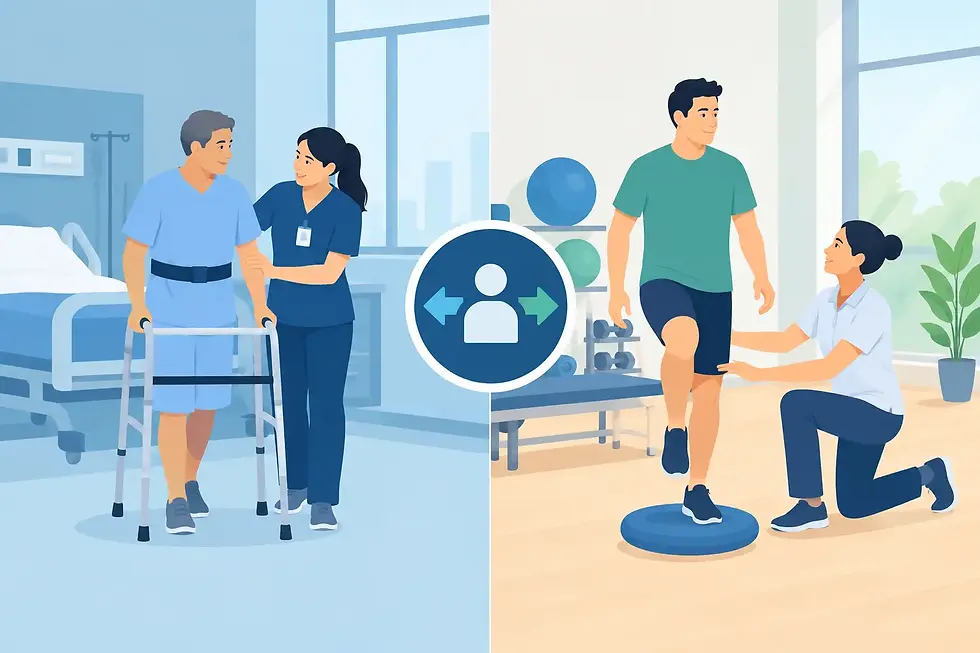
Hands-on therapy, targeted therapeutic exercise, mobility training, and education about body mechanics can be valuable parts of non-surgical care. The goal is not just to lower a pain score for an hour. It is to improve the activities that make independence possible: walking safely, sleeping more comfortably, working, cooking, bathing, lifting, or participating in family life.
At CAMED, specialized therapeutic care is built around that larger goal: helping people move beyond the gap between being discharged from care and truly recovering function. Financial hardship should not force patients to live with untreated pain and declining mobility.
When fatigue needs prompt medical attention
Chronic pain and fatigue are common together, but certain symptoms call for timely medical evaluation. Contact a healthcare professional promptly if fatigue is sudden, rapidly worsening, or accompanied by chest pain, shortness of breath, fainting, confusion, fever, unexplained weight loss, new weakness, or major changes in bowel or bladder control.
Seek urgent care for new neurologic symptoms such as facial drooping, difficulty speaking, sudden severe headache, loss of balance, or weakness on one side of the body. These symptoms should never be assumed to be part of a usual pain flare.
It is also worth scheduling an evaluation when fatigue has lasted several weeks, keeps you from daily activities, or does not improve despite rest. A full assessment can help separate pain-related exhaustion from conditions that require different treatment.
Recovery should make room for real life
Pain care should address the person behind the symptom: the parent trying to get through a shift, the older adult trying to remain safely at home, the stroke survivor rebuilding confidence, and the family trying to find care they can afford. Fatigue may be one of the clearest signals that your current pain plan is not giving your body enough support.
You do not need to prove that you are hurting by pushing until you crash. With careful evaluation, appropriate therapy, and a plan built around daily function, it is possible to protect your energy while moving toward greater comfort, strength, and independence.


Comments