
Affordable Chronic Pain Treatment That Works

A lot of people do not start by asking what will help their pain most. They start by asking what they can still afford. That is the reality for families living with back pain, joint pain, nerve pain, post-stroke stiffness, and long-term mobility problems. Affordable chronic pain treatment matters because pain does not just hurt - it changes how you work, sleep, drive, care for family, and stay independent.
The hard part is that low-cost care is not always good care, and expensive care is not always the right care. Many patients bounce between short appointments, temporary medication changes, imaging, and referrals without getting a plan that actually improves daily function. If your pain has lasted for months or years, the goal should be bigger than getting through the week. The goal is to reduce pain, improve movement, and help you return to life with as much strength and independence as possible.
What affordable chronic pain treatment should really mean
Affordable care should never mean watered-down care. It should mean the treatment matches the condition, avoids unnecessary procedures, and gives patients a realistic path forward. For chronic pain, that often involves specialized non-surgical therapy, guided exercise, hands-on treatment, education, and long-term support instead of a one-time fix.
This matters because chronic pain is rarely simple. A person may have muscle guarding, joint restriction, nerve irritation, poor posture, weakness, scar tissue, swelling, or movement compensation all happening at once. Treating only one piece often leads to frustration. The best value in pain care usually comes from addressing the full pattern, not chasing symptoms from one visit to the next.
For many households, affordability also means predictable pricing, sliding-scale options, financial assistance, and access to providers who understand that recovery takes time. When treatment is cut short because the cost becomes impossible, patients often lose progress and return later in worse condition. Real access changes outcomes.
Why chronic pain gets expensive so fast
Pain creates direct costs, but the hidden costs are often worse. Missed workdays, reduced hours, sleep disruption, transportation problems, family caregiving demands, and loss of physical independence can quietly build into a major burden. Some patients also spend heavily on products, passive treatments, or repeated consultations that bring only short relief.
The cycle becomes especially costly when care is fragmented. One provider addresses pain medication, another reviews imaging, another suggests surgery, and no one is focused on restoring movement and function step by step. Patients are left trying to connect the dots while their condition becomes more entrenched.
That is why the most affordable option is not always the cheapest appointment. It is the care model that reduces waste, targets the source of dysfunction, and helps you regain ability in daily life. If treatment helps you walk more comfortably, return to work, transfer safely, or avoid a major procedure, that value is real.
Which treatments are often the best value
Non-surgical care is often the starting point for affordable chronic pain treatment, especially when pain is linked to musculoskeletal dysfunction, postural strain, stiffness after injury, stroke-related limitations, or long-term mobility loss. That does not mean every non-surgical option is equal.
Hands-on therapeutic care can be high value when it is specific, clinically guided, and paired with a broader recovery plan. For example, treating restricted tissue, joint dysfunction, swelling, or movement limitations may improve comfort, but the longer-term benefit comes from helping the body move differently afterward. Without that next step, relief may fade quickly.
Targeted therapeutic exercise is another strong value option because it builds capacity over time. The key is personalization. Generic exercise handouts are cheap, but they are not always effective. The right plan should reflect your pain pattern, strength level, balance, endurance, and daily demands.
Education also deserves more respect than it usually gets. Patients who understand why their pain flares, what movements help, how pacing works, and which habits keep the cycle going often make better progress with fewer setbacks. Good education is not a lecture. It is part of treatment.
Medication can be useful, but it is rarely the full answer for long-standing pain. In some cases it lowers symptom intensity enough for patients to participate in therapy and daily life. In other cases, ongoing reliance without functional improvement can become another kind of dead end. The right balance depends on the condition, the risk profile, and the patient’s overall goals.
How to judge whether a treatment plan is actually cost-effective
Start with the outcome being promised. If the plan focuses only on temporary pain reduction and never addresses mobility, strength, endurance, or functional tasks, it may not be cost-effective in the long run. Chronic pain treatment should connect clearly to what you need to do in real life.
Ask whether the provider is looking at function as carefully as symptoms. Can you sit longer, walk farther, lift more safely, sleep better, or use your arm more effectively? Those changes often matter more than a pain score alone.
Then look at the timeline. Chronic pain usually improves through phases, not overnight. Be cautious of anything sold as an instant cure. At the same time, be cautious of treatment that continues indefinitely with no measurable gains. Good care should have direction.
It is also fair to ask practical questions about cost. Is there a sliding scale? Are there financial assistance options? Will you receive a home program to support progress between visits? Are you being guided toward the least invasive effective option first? These questions are not secondary. They are part of responsible care.
Affordable chronic pain treatment and the surgery question
Many patients start considering surgery because they feel they have run out of options. Sometimes surgery is necessary. But sometimes it is being considered before a patient has received skilled, condition-specific conservative care. That distinction matters.
A well-designed non-surgical treatment plan may reduce pain, improve mechanics, and restore enough function that surgery can be delayed or avoided. Even when surgery remains necessary, entering it stronger and more mobile can support a better recovery.
This is especially important for people dealing with persistent back pain, joint stiffness, repetitive strain, post-stroke disability, or chronic soft tissue restriction. Surgery can address structural problems, but it does not automatically rebuild movement quality, tissue mobility, confidence, or day-to-day independence. Those parts of recovery still need attention.
For underserved patients, the decision is even more urgent. A major procedure can create financial pressure well beyond the operating room. Before moving toward invasive treatment, patients deserve a serious evaluation of whether advanced therapeutic care could help first.
What underserved patients should look for
If budget is tight, it helps to look beyond the usual signs of a medical practice. The strongest option may be a mission-driven clinic that combines clinical expertise with a real affordability model. Nonprofit care, donor-supported assistance, sliding-scale pricing, and long-term recovery planning can make specialized treatment possible for people who would otherwise go without.
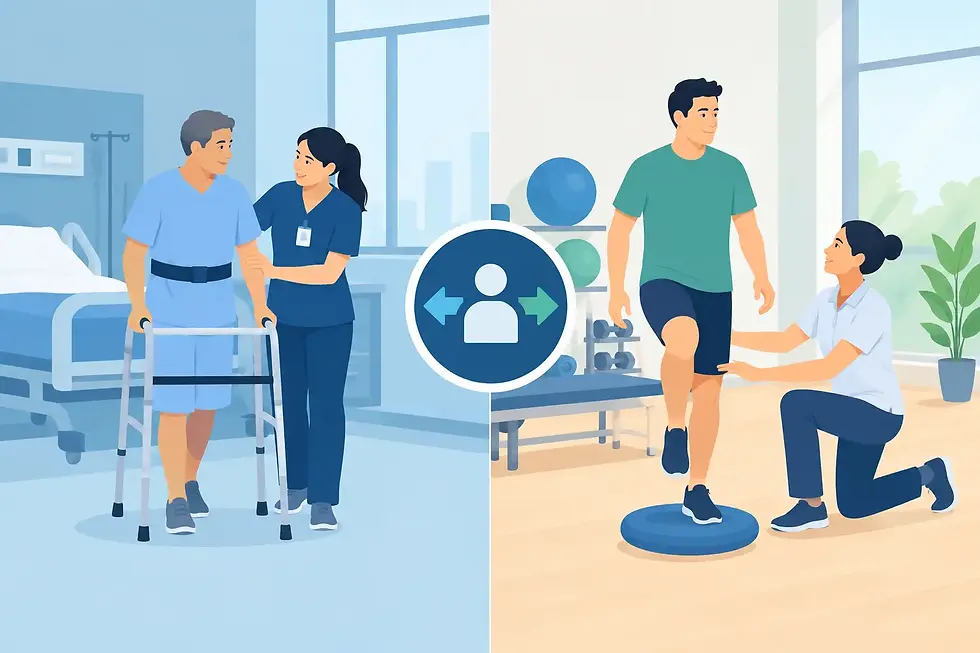
Patients should also look for providers who understand the gap between hospital discharge and true recovery. That gap is where many people get stuck. They are told the acute event is over, but pain, weakness, stiffness, or limited function continue for months. This is where specialized therapeutic care can make the difference between decline and progress.
Organizations such as CAMED exist to close that gap by offering advanced non-surgical care with affordability built into the mission. For patients and families who have been choosing between pain relief and financial stability, that model is not a luxury. It is a lifeline.
A better standard for pain care
The standard should be simple. Patients with chronic pain deserve care that is clinically sound, financially realistic, and focused on recovery. They should not have to choose between untreated pain and overwhelming medical bills. They should not be left managing a long-term condition with short-term solutions.
Affordable chronic pain treatment is possible, but it requires a better question than What is cheapest right now? The better question is What care gives me the strongest chance to function better, stay independent, and avoid bigger losses later?
When treatment is built around that question, affordability stops meaning less. It starts meaning access to the kind of care people should have had all along.


Comments