
Five Signs of Lymphedema You Should Not Ignore

A shoe that suddenly feels tight, a sleeve that leaves a deeper mark than usual, or one leg that looks noticeably fuller than the other can be easy to dismiss. But these may be among the five signs of lymphedema - a condition that deserves timely attention, especially when swelling begins to interfere with comfort, movement, work, or daily independence.
Lymphedema occurs when the lymphatic system cannot move lymph fluid effectively. The fluid builds up in tissues, most often in an arm or leg, causing swelling and changes that can progress without care. It may develop after lymph node surgery, radiation, cancer treatment, infection, injury, vein problems, or trauma. Some people are born with lymphatic differences that become noticeable later in life.
Not every swollen ankle or arm is lymphedema. Heat, certain medications, heart or kidney conditions, venous disease, and a blood clot can also cause swelling. That is why a proper evaluation matters. The pattern, timing, skin changes, medical history, and physical examination all help guide the next step.
Five Signs of Lymphedema to Watch For
1. Swelling that does not fully go away
Persistent swelling is the most recognizable sign. It may begin subtly around the fingers, hand, wrist, toes, foot, ankle, or lower leg. One side of the body may look or feel larger than the other, though lymphedema can affect both limbs.
Early swelling may improve somewhat after rest or elevation, then return as the day goes on. As the condition progresses, the tissue may remain enlarged even after sleeping. Jewelry, socks, shoes, pants, bras, or compression garments may feel unusually tight or leave indentations.
Pay attention to changes that continue for more than a few days, especially if they affect only one arm or leg or occur after surgery, radiation, cancer treatment, or a serious injury. Waiting for swelling to become severe can make it harder to manage.
2. Heaviness, tightness, or a pulling sensation
Lymphedema can feel uncomfortable before the swelling is obvious. Many people describe a sense of heaviness, fullness, tightness, pressure, or pulling in the affected limb. An arm may tire quickly while carrying groceries. A leg may feel difficult to lift when climbing stairs or walking across a parking lot.
These sensations matter because lymphatic fluid changes how tissues move against one another. A person may still be able to work, exercise, or care for family, but the effort starts to cost more. This is not a problem to push through without support. Early therapeutic care can help preserve function before stiffness and weakness take hold.
3. Reduced flexibility or trouble using the limb normally
As swelling increases, it can limit range of motion. A swollen hand may make it harder to close the fingers, type, button clothing, cook, or hold a steering wheel. In the leg, swelling can make bending the knee, fitting into shoes, standing for long periods, or walking comfortably more difficult.
Reduced mobility is especially concerning for people recovering from stroke, orthopedic surgery, cancer treatment, or a long hospitalization. When movement becomes restricted, daily activity often declines. That can contribute to muscle weakness, balance problems, pain, and greater dependence on others.
It depends on the location and severity of the swelling, but loss of function should never be treated as an unavoidable part of recovery. A clinician trained in lymphatic care can assess both fluid changes and the movement patterns that may be making symptoms worse.
4. Skin changes or tissue that feels different
The skin and tissue over an area affected by lymphedema may begin to change over time. Early on, pressing a finger into the swollen area may leave a temporary dent, known as pitting. Later, the tissue can become firmer, thicker, less elastic, or more difficult to pinch as inflammation and fibrosis develop.
Other changes may include dry skin, a stretched or shiny appearance, thickened folds around the toes or fingers, or skin that feels unusually sensitive. These changes are not only cosmetic. Healthy skin is a protective barrier, and when it becomes compromised, the risk of infection rises.
Skin care is a practical part of lymphedema management. Small cuts, cracked skin, insect bites, burns, or untreated fungal infections can create an opening for bacteria. Moisturizing dry skin, protecting the limb during household tasks, and promptly caring for injuries are simple habits with real value.
5. Recurrent infections, redness, warmth, or sudden worsening
People with lymphedema have a higher risk of cellulitis, a bacterial skin infection that can become serious quickly. Warning signs include redness, warmth, tenderness, fever, chills, flu-like symptoms, or swelling that worsens suddenly. Repeated skin infections can further damage lymphatic vessels and make lymphedema more difficult to control.
Seek urgent medical care for fever with a red, hot, painful swollen limb. Sudden swelling in one leg, particularly with pain or shortness of breath, also needs immediate evaluation because a blood clot can be life-threatening. Do not assume every episode of swelling is lymphedema.
Why Early Care Protects Independence
Lymphedema is often long-term, but it can be managed. The goal is not simply to make a limb look smaller. Effective care aims to reduce discomfort, protect the skin, support mobility, lower infection risk, and help people return to the activities that matter to them.
Treatment is individualized. It may include specialized manual lymphatic techniques, therapeutic exercise, skin care education, compression when clinically appropriate, and training in safe self-management. Compression is not one-size-fits-all. The wrong garment, fit, or pressure can be uncomfortable or unsafe for people with certain circulation conditions, so professional guidance is valuable.
Movement also matters. Gentle, targeted muscle activity supports lymph flow, but a plan should match the person’s pain level, strength, balance, medical history, and goals. Someone returning to work after breast cancer treatment may need a different approach than an older adult managing leg swelling, arthritis, and limited walking tolerance.
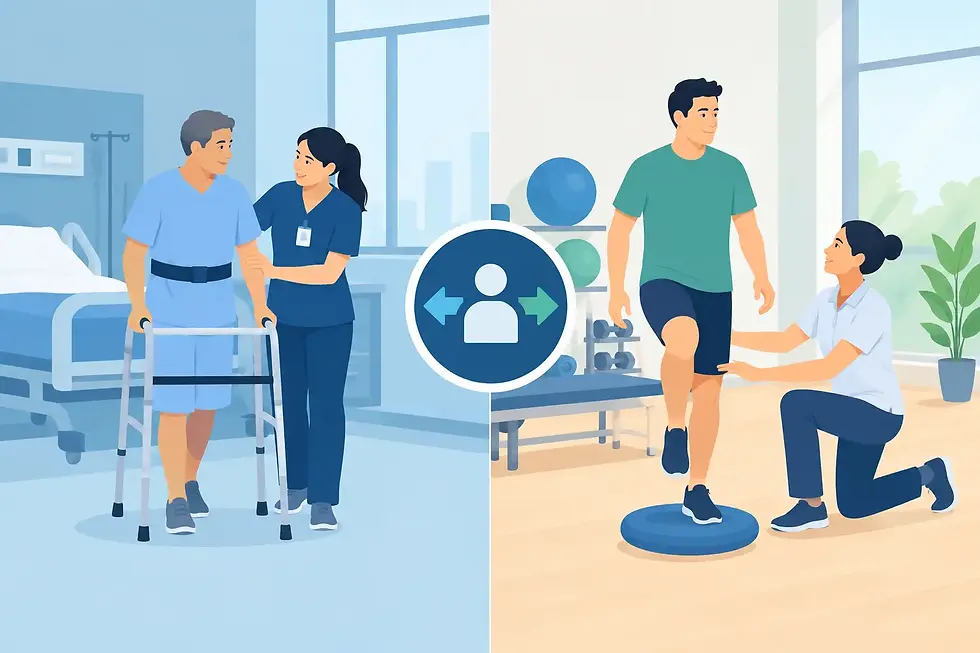
At CAMED, lymphatic care is part of a broader commitment to helping people move beyond the gap between medical discharge and meaningful recovery. For patients living with chronic pain, post-stroke limitations, or financial barriers to rehabilitation, specialized non-surgical care can be a path toward greater comfort and control.
When to Ask for an Evaluation
Arrange a medical evaluation when swelling is new, persistent, one-sided, worsening, or affecting your ability to move and function. Bring a clear history: when the swelling began, whether it changes during the day, past surgeries or radiation, medications, infections, injuries, and any cancer or vascular history. Photos and measurements taken over time can also help show patterns that are hard to describe in a short appointment.
A qualified provider may rule out other causes before confirming lymphedema. That process is worth the time. Treating the wrong cause with compression, massage, or exercise alone can delay needed care, while early treatment for a lymphatic problem may prevent complications.
Your body often signals trouble before it forces you to stop. If swelling, heaviness, skin changes, or reduced movement are changing how you live, listen early and seek care that supports not only the limb, but your independence, safety, and hope.


Comments