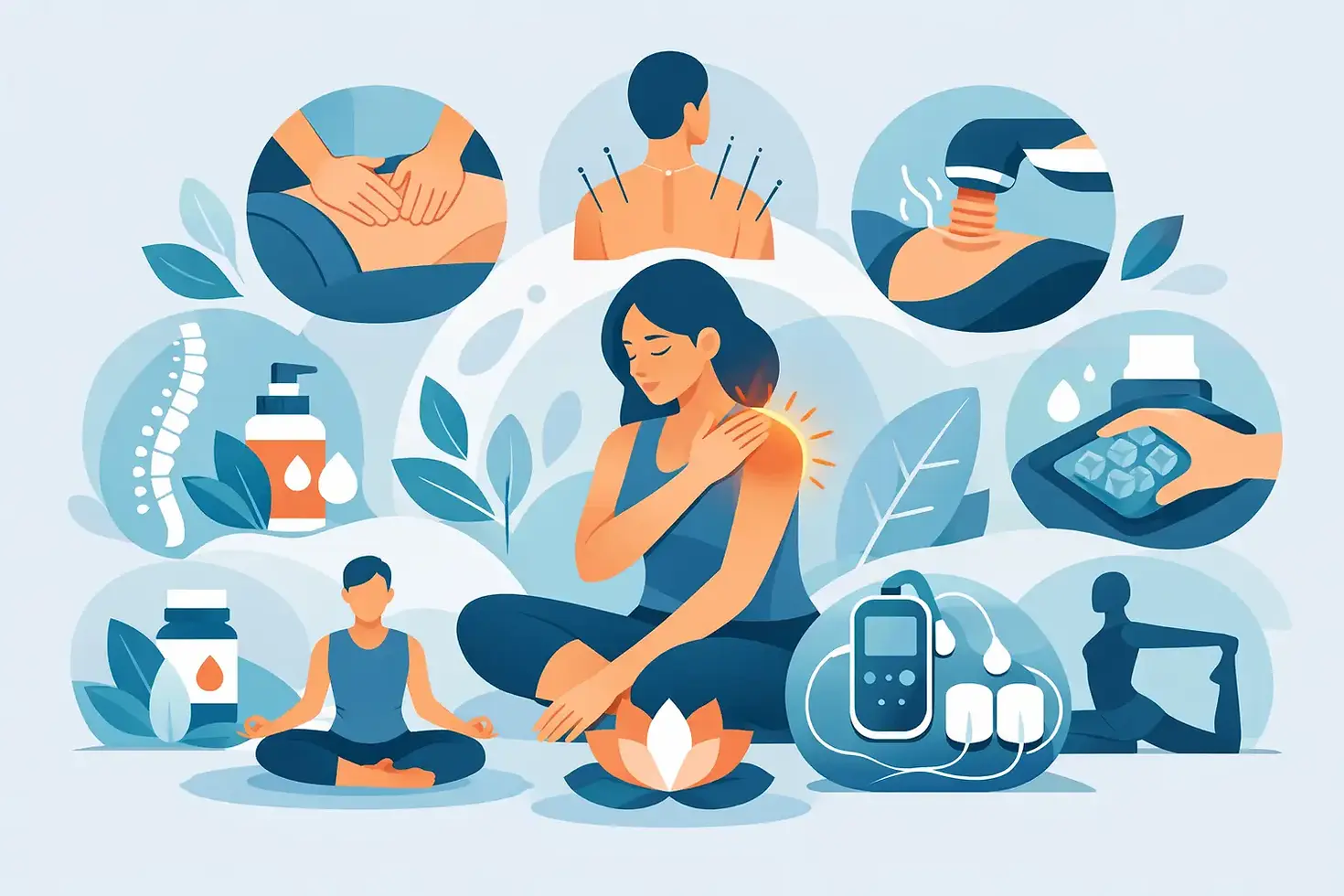
10 Best Non Surgical Pain Relief Methods

When pain keeps showing up long after the injury, hospital visit, or diagnosis, people often hear the same next step - stronger medication, another injection, or surgery. But many patients are really asking a different question: what are the best non surgical pain relief methods when you want less pain, better movement, and a real path back to daily life?
That question matters because pain is rarely just a symptom. It affects sleep, work, mood, mobility, and independence. For many adults living with chronic musculoskeletal pain, nerve irritation, post-stroke stiffness, or slow recovery after illness, the right non-surgical approach can reduce pain while also helping the body function better. That distinction is critical. Relief that does not improve movement or strength may not last.
What makes the best non surgical pain relief methods work?
The best non surgical pain relief methods do more than mask discomfort. They target the reasons pain continues, which may include inflammation, muscle guarding, poor circulation, joint restriction, nerve sensitivity, weakness, scar tissue, or altered movement patterns after injury or stroke.
That is why there is no single best option for everyone. A person with chronic low back pain from deconditioning needs a different strategy than someone with shoulder restriction after a stroke, or someone dealing with knee pain made worse by swelling and poor gait mechanics. Good care starts by asking what is driving the pain and what function has been lost.
For most patients, the strongest results come from combining hands-on care, movement-based therapy, and lifestyle support. Pain relief is usually most durable when the treatment plan helps the body move, heal, and adapt.
1. Therapeutic manual therapy
Skilled hands-on treatment remains one of the most effective options for many chronic pain conditions. Manual therapy may include soft tissue mobilization, myofascial release, trigger point work, lymphatic techniques, joint mobilization, and other specialized methods that reduce guarding and improve tissue mobility.
This can be especially helpful for people with neck pain, back pain, shoulder restriction, post-surgical scar tightness, chronic stiffness, and long-standing musculoskeletal dysfunction. When tissues are tight, swollen, or not gliding well, movement becomes painful. Restoring mobility often lowers pain because the body no longer has to protect the area as aggressively.
The trade-off is that technique matters. General massage may feel good temporarily, but chronic pain often requires a more clinical approach tied to a treatment plan and functional goals.
2. Corrective exercise and therapeutic movement
Pain changes the way people move. They compensate, brace, limp, or stop using certain joints altogether. Over time, those patterns can create more pain than the original injury.
That is why corrective exercise is one of the best non surgical pain relief methods available. The right exercise program improves strength, balance, flexibility, endurance, and joint control. It also teaches the nervous system that movement can be safe again.
This does not mean intense workouts. In fact, aggressive exercise can make chronic pain worse when tissues are irritable or the body is already compensating. The goal is targeted therapeutic movement based on the person’s condition, pain level, and stage of recovery.
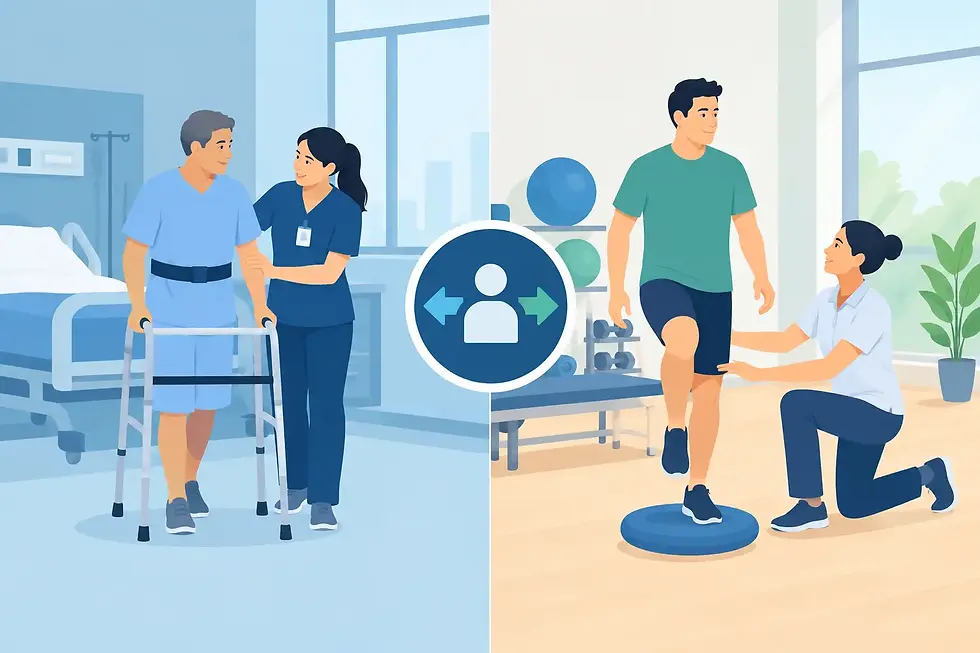
3. Physical rehabilitation after stroke or injury
For patients recovering from stroke, major injury, or prolonged immobility, pain is often tied to function loss. Weakness, spasticity, poor posture, limited range of motion, and altered gait can place stress on joints and soft tissue every day.
Structured rehabilitation helps restore movement patterns that protect the body instead of overloading it. This may include gait training, neuromuscular re-education, stretching, strengthening, transfer training, and coordinated mobility work.
In these cases, pain relief is not separate from rehabilitation. It is part of rehabilitation. When the body regains more efficient movement, pain often decreases because less strain is placed on vulnerable structures.
4. Heat and cold therapy
Simple does not mean ineffective. Heat and cold remain useful tools when applied for the right reason.
Heat tends to help muscle tightness, chronic stiffness, and limited mobility. It improves circulation and can make stretching or manual therapy more effective. Cold tends to help acute flare-ups, swelling, and inflammation after overuse or irritation.
The limitation is that these approaches usually provide short-term symptom relief, not full recovery on their own. They work best as part of a larger plan, not as the entire plan.
5. TENS and electrical stimulation
Transcutaneous electrical nerve stimulation, or TENS, can help some patients reduce pain perception by interrupting pain signals. Other forms of electrical stimulation may also be used in rehabilitation to support muscle activation or neuromuscular retraining.
For some people, this offers meaningful short-term relief that makes movement, therapy, or sleep easier. For others, the effect is modest. It depends on the pain type, the device settings, and whether the treatment is being used in a broader functional program.
Used well, electrical stimulation can be a useful support tool. Used alone, it may not create lasting change.
6. Compression and lymphatic support
Pain and swelling often reinforce each other. When fluid builds up in the limbs or around injured tissues, pressure increases, mobility drops, and recovery slows.
Compression therapy and lymphatic support can help reduce swelling, improve comfort, and support circulation. This is especially relevant for people with chronic inflammation, post-procedure swelling, vascular issues, or mobility limitations that interfere with normal fluid movement.
This area is often overlooked in mainstream pain conversations, but for the right patient, it can make a major difference in comfort and function.
7. Posture, ergonomic, and movement retraining
A painful body is often a body under repeated stress. That stress may come from workstations, lifting habits, sleep positions, prolonged sitting, or walking patterns that keep aggravating the same tissues.
Retraining these daily habits is one of the most practical pain relief strategies because it reduces the number of times the body gets irritated each day. Someone receiving excellent therapy but returning to poor body mechanics for ten hours a day may keep restarting the same pain cycle.
Small corrections can matter. Better sitting support, safer transfers, improved standing alignment, and smarter pacing can lower pain without any procedure at all.
8. Breathing, nervous system regulation, and stress reduction
Chronic pain is not imaginary, and it is not just stress. But stress does affect pain. When the nervous system stays on high alert, muscles tighten, sleep suffers, inflammation can worsen, and pain sensitivity often rises.
Breathing training, relaxation work, guided movement, and other nervous system regulation techniques can help reduce that cycle. These approaches are particularly helpful for patients whose pain spikes with anxiety, fatigue, poor sleep, or prolonged tension.
This is not a replacement for physical treatment when there is clear mechanical dysfunction. It is a support strategy that helps the body become more responsive to care.
9. Anti-inflammatory lifestyle changes
Food, sleep, hydration, and activity levels all influence how pain is experienced. A body that is under-rested, inactive, inflamed, or poorly nourished has fewer resources for repair.
This does not mean patients need perfect habits before they deserve relief. It means that pain care should address the whole recovery picture. Better sleep hygiene, gradual activity, hydration, weight management when appropriate, and anti-inflammatory nutrition can all support clinical treatment.
These changes tend to work slowly, but they can improve resilience and reduce flare frequency over time.
10. Multidisciplinary, non-surgical care plans
The most effective answer is often not one method, but a coordinated plan. Pain is complex. A patient may need manual therapy for stiffness, corrective exercise for weakness, lymphatic care for swelling, and coaching to rebuild daily function safely.
That is often where patients fall through the cracks. They receive fragmented care, brief appointments, or treatment focused only on symptom control. But recovery usually requires continuity, reassessment, and a plan built around real-life goals like walking comfortably, getting back to work, lifting safely, or caring for family without constant pain.
How to choose the right method for your pain
The best non surgical pain relief methods depend on what your body is dealing with right now. If pain is driven by stiffness and restricted tissue, hands-on care may help most. If weakness and instability are the main issue, exercise-based rehabilitation matters more. If swelling, stroke recovery, or chronic mobility loss is part of the picture, treatment needs to address those factors directly.
Warning signs that call for a professional evaluation include pain that persists for weeks, repeated flare-ups, numbness, major weakness, worsening balance, or loss of function in daily tasks. Waiting too long can allow compensation patterns to become more deeply ingrained.
For many families, cost is also part of the decision. That is real, and it should not be ignored. Effective pain care should not be reserved for people who can afford endless visits or major procedures. Mission-driven community providers like CAMED exist because too many patients are left choosing between untreated pain and unaffordable care.
Surgery has a place. So do medications when they are used carefully. But if you are living with chronic pain, stiffness, or functional decline, do not assume an operation is your only serious option. The right non-surgical care can reduce pain, restore movement, and help you reclaim parts of life that pain has been taking from you - one consistent step at a time.


Comments