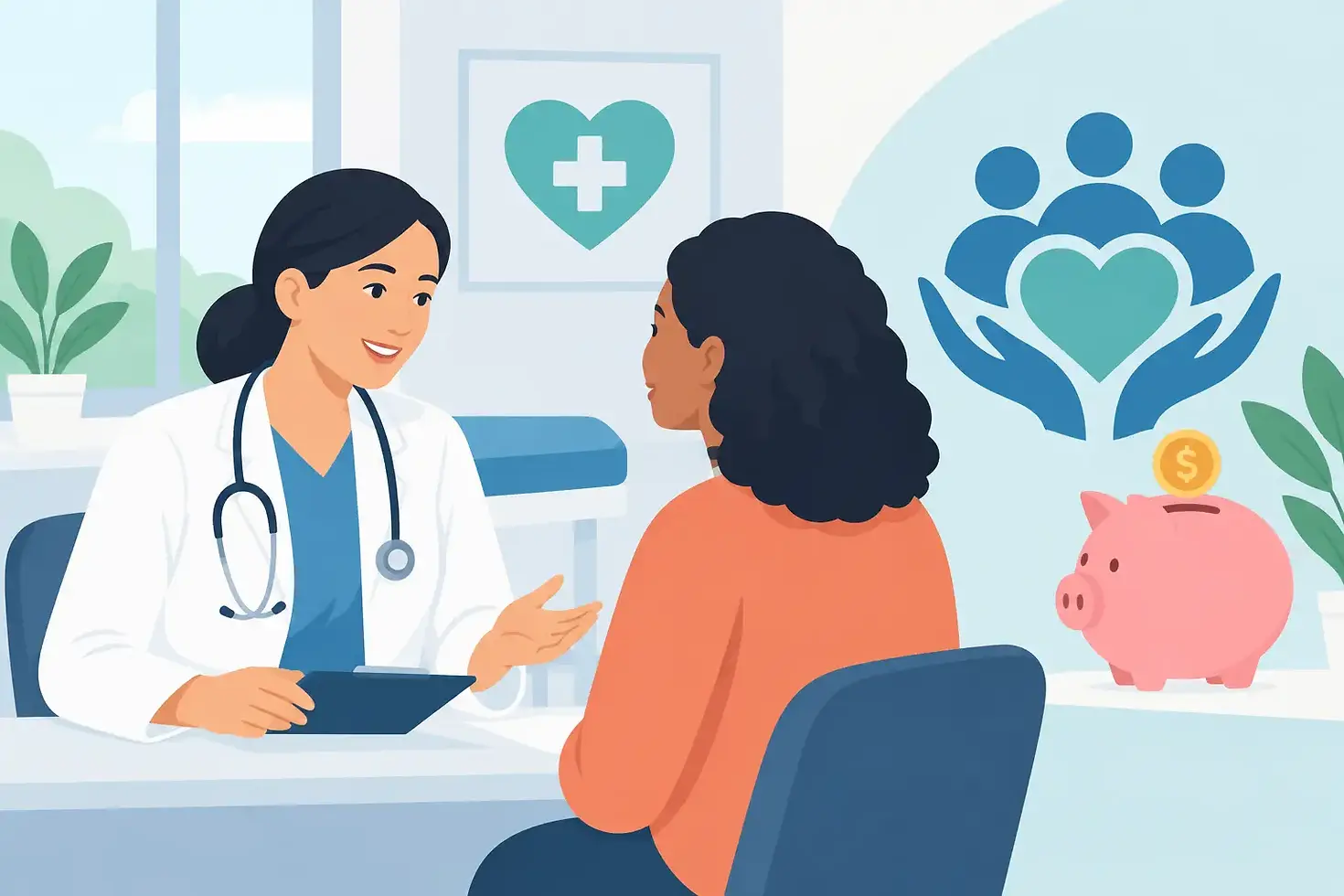
How Nonprofit Clinics Lower Costs for Patients

A persistent pain problem can become a financial crisis long before it becomes a medical emergency. Missed work, repeated appointments, transportation, medications, and treatments that do not address the underlying dysfunction can leave patients choosing between relief and other essential needs. Understanding how nonprofit clinics lower costs helps families recognize that high-quality, specialized care does not have to be reserved for people with generous insurance coverage or large savings.
For people living with chronic pain, mobility loss after a stroke, stiffness, swelling, or a musculoskeletal injury that will not fully heal, affordability is not a side issue. It determines whether care starts early enough to protect independence or gets delayed until the condition becomes harder, more expensive, and more disabling to treat.
How Nonprofit Clinics Lower Costs Without Lowering Standards
A nonprofit clinic is organized around a mission rather than private profit. That does not mean its services are casual, limited, or clinically unproven. It means revenue is directed back toward patient care, education, operations, and community access instead of being distributed to owners or shareholders.
This model can reduce the amount patients must pay directly, especially when a clinic has multiple sources of support. Donor contributions, grants, volunteer involvement, community partnerships, educational programming, and responsible operational planning can all help carry part of the true cost of care. The patient is not left to bear the entire burden alone.
At CAMED, this mission-driven approach supports specialized non-surgical therapeutic care for people who may otherwise fall into the gap between hospital discharge and full functional recovery. Financial assistance and sliding-scale pricing can make advanced care more attainable for households facing real financial pressure.
The critical distinction is that affordability should be built around a clear treatment purpose. Lower-cost care is most valuable when it helps a person reduce pain, restore movement, manage a chronic condition, or return to daily activities with a practical plan for continued progress.
Sliding-Scale Pricing Meets Patients Where They Are
Traditional medical billing often treats care as a fixed-price transaction. A sliding-scale model recognizes that two patients may need the same service while having very different ability to pay for it. Fees are adjusted using financial circumstances, allowing more people to begin or continue treatment rather than abandoning care after one or two visits.
For a patient with chronic back pain, for example, stopping treatment because of cost can lead to worsening movement patterns, less activity, sleep disruption, and more dependence on short-term relief strategies. For a stroke survivor, interrupted rehabilitation can make it harder to regain skills that support dressing, walking, transferring, and participating in family life. Continuity matters.
Sliding-scale care is not always free care, and patients should expect a clinic to have eligibility guidelines and available funding limits. Still, it offers a more humane starting point: the question is not simply, “Can you pay the full rate today?” It is, “What level of support can help you access the care you need responsibly?”
Donor Support Turns Community Giving Into Care
Donations do more than fund a good cause in the abstract. In a nonprofit health setting, they can directly expand the number of appointments, treatment sessions, financial-assistance awards, educational resources, and outreach services a clinic can offer.
That support matters because many long-term conditions do not resolve in a single visit. Persistent pain and physical impairment often require assessment, hands-on treatment, movement support, self-management education, and follow-up. When donor funding helps offset these costs, the clinic can focus on what supports recovery rather than limiting every decision to what produces the highest immediate reimbursement.
Community giving can also help a clinic serve people who are often missed by conventional systems: uninsured adults, underinsured workers, older adults on fixed incomes, and families managing the financial consequences of disability. These are not fringe cases. They are neighbors whose recovery affects household stability, employment, caregiving, and community health.
Specialized Care Can Prevent Costly Escalation
The least expensive appointment is not always the least expensive path. Care becomes costly when patients cycle through fragmented services without a coordinated answer to the problem, or when worsening symptoms lead to emergency visits, avoidable procedures, extended medication use, lost wages, and preventable decline.
Nonprofit clinics can lower long-term costs by concentrating on overlooked recovery needs. A person may be medically stable after surgery, an injury, or a hospital stay but still unable to move comfortably, work safely, manage swelling, or perform daily tasks. That person needs more than reassurance. They need a plan that addresses function.
For some patients, non-surgical therapeutic care may reduce the need to rush toward more invasive options. It will not replace surgery when surgery is medically necessary, and a responsible clinic should never promise that every condition can be treated without it. But when pain or dysfunction responds to conservative, skilled intervention, earlier treatment may prevent a manageable condition from becoming a life-altering one.
The trade-off is that recovery takes participation. Hands-on therapy, therapeutic exercise, education, and lifestyle adjustments ask patients to show up, practice, and communicate openly about progress. That investment of time can be difficult, particularly for people balancing work, transportation, or caregiving. A clinic that understands those realities can help create a plan that is realistic, not merely ideal on paper.
Education Reduces the Cost of Confusion
Patients frequently spend money because they have not been given understandable information about their condition. They may avoid movement out of fear, use the wrong strategies for pain, wait too long to seek help, or move from provider to provider without knowing what questions to ask.
Education is a cost-saving service when it gives people practical tools. Learning how to protect a painful joint, pace activity, recognize warning signs, manage swelling, support safer movement, or continue rehabilitation at home can reduce setbacks between appointments. It can also help families take a more confident role in supporting a loved one’s recovery.
Professional and community training programs extend that impact. When caregivers, health professionals, and community members learn sound therapeutic principles, more people benefit from earlier recognition and better day-to-day support. The result is not just lower spending for one patient. It is stronger capacity across the community.
Nonprofit Care Is Most Effective When It Is Accountable
Mission alone does not guarantee quality. Patients should look for clinics that communicate clearly about services, clinical experience, treatment goals, financial-assistance policies, and when a referral to another provider is necessary. Affordable care must still be safe, ethical, and appropriate for the individual’s condition.
It also helps to ask direct questions before beginning treatment. What will the initial evaluation cover? How often are visits generally recommended? What progress markers will be used? Is financial assistance available? What can be done at home to support the plan? Clear answers help patients compare options based on value, not just the price of a single session.
Insurance can remain part of the picture for many people, but insurance coverage does not always equal access. High deductibles, narrow networks, visit limits, and authorization delays can block care when it is needed most. Nonprofit models can provide another path, particularly for people whose needs are too complex for a quick visit but who cannot afford a long series of private-pay appointments.
A Better Measure of Affordability
The real value of care is measured by what it helps preserve: the ability to work, sleep, walk, lift a child, drive safely, live with less fear, and remain connected to the life you recognize as your own. A lower fee matters. So does avoiding the much higher cost of untreated pain, lost mobility, and preventable dependence.
If pain, stiffness, weakness, or reduced function has started shrinking your life, do not assume the only choices are to live with it or take on debt. Ask whether mission-driven care, financial assistance, and focused rehabilitation can give your recovery a more sustainable place to begin.


Comments