How AMT Supports Functional Recovery After Pain
- julian kim

- Jul 21
- 5 min read
A person can leave the hospital medically stable and still be unable to turn comfortably in bed, lift a grocery bag, walk without fear, or use an affected arm with confidence. That gap is where recovery often stalls. Understanding how AMT supports functional recovery can help patients and families recognize that pain relief is only part of the goal. The larger goal is returning to the movements that make daily life possible.
Advanced Manual Therapy, often called AMT, is a specialized hands-on approach used to address pain, stiffness, restricted movement, and tissue dysfunction. It is not a quick fix or a substitute for medical evaluation when symptoms require it. When delivered as part of an individualized recovery plan, however, AMT can help create the conditions people need to move more safely, participate more fully in rehabilitation, and rebuild independence.
How AMT Supports Functional Recovery
Functional recovery means more than having a lower pain score. It means being able to get dressed without assistance, stand long enough to prepare a meal, return to work duties, transfer safely from a chair, navigate stairs, or care for a loved one. For someone recovering from stroke, it may mean using the affected side of the body more effectively. For someone living with chronic musculoskeletal pain, it may mean moving without constantly anticipating the next flare-up.
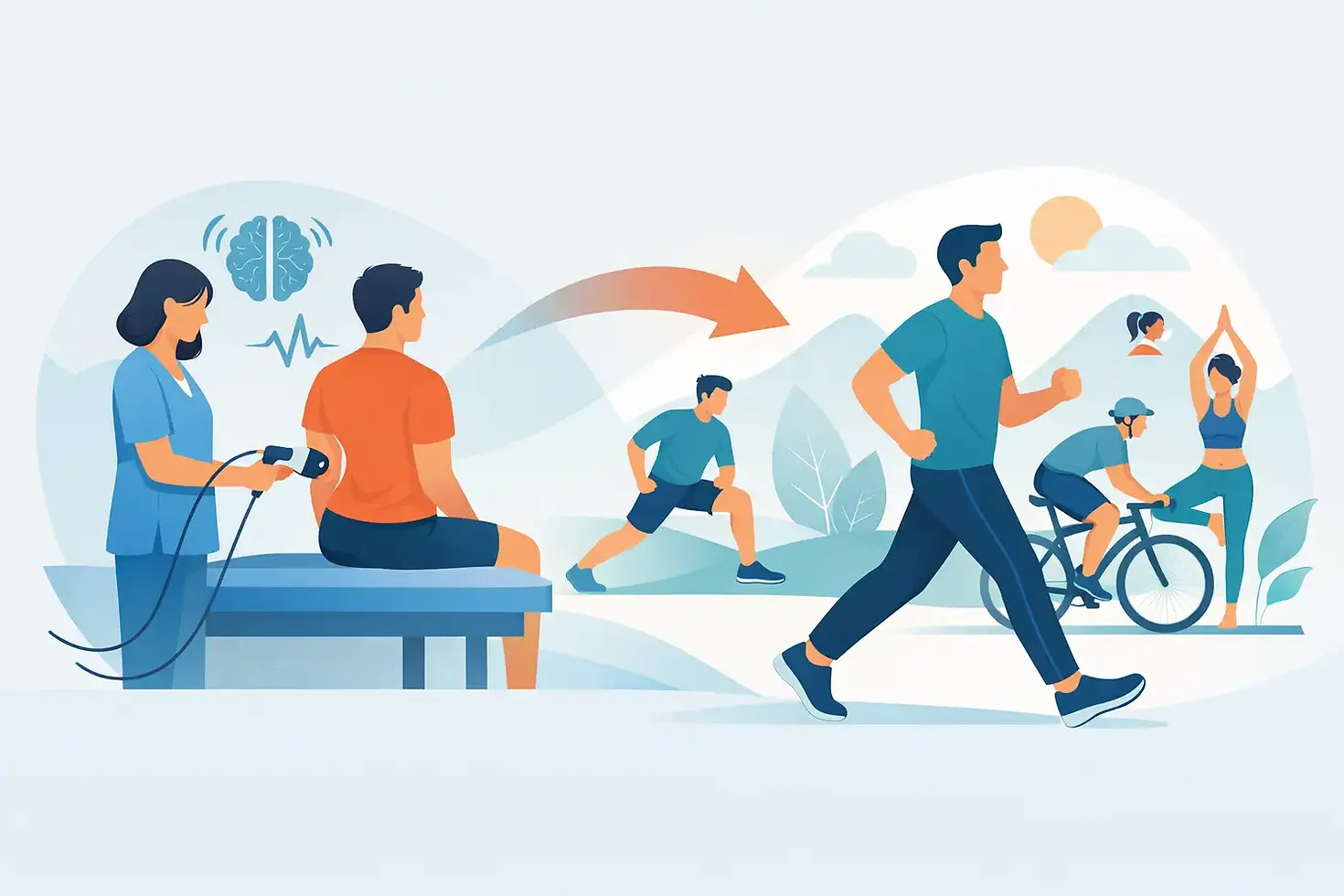
AMT supports these goals by addressing physical barriers that can make movement difficult. Hands-on therapeutic techniques may be used to improve soft-tissue mobility, reduce protective muscle guarding, support joint movement, and address areas of tension or swelling that interfere with function. When the body feels less restricted, patients can often practice meaningful movement with greater comfort and confidence.
That distinction matters. Rest alone may be appropriate after an acute injury or procedure, but long-term avoidance can contribute to weakness, stiffness, loss of coordination, and greater dependence. The right therapeutic plan helps patients progress from protecting a painful area to using it appropriately again. Progress must be paced carefully, especially after stroke, surgery, serious injury, or during a chronic pain flare.
Pain Relief Is a Starting Point, Not the Finish Line
Pain can change how the nervous system and body respond to ordinary activity. A person with low back pain may stop bending, twist through other parts of the body to avoid discomfort, or limit walking even when movement would be beneficial. Someone with shoulder pain may avoid reaching overhead until the shoulder becomes weaker and more restricted. These compensations can protect the body temporarily, but they can also make daily tasks harder over time.
AMT can help reduce the barriers that keep a person trapped in this cycle. By working with painful or restricted tissues in a clinically appropriate way, therapy may make movement feel more accessible. That can create an important opening: the patient can begin practicing the motions that matter, rather than merely enduring symptoms.
Pain relief is not guaranteed, and it is not the only measure of success. Some patients improve quickly; others need gradual work over weeks or months. The most meaningful change may be that a person can walk farther, sleep with fewer interruptions, tolerate therapy exercises, or return to a task they had given up on. Functional progress is personal, measurable, and worth protecting.
Improving Mobility for Real-World Movement
Mobility is not simply flexibility. It is the ability to control movement safely enough to use it when life demands it. A knee that bends farther but cannot support a safe sit-to-stand transfer is not yet fully functional. An arm that can be lifted passively but cannot reach for a cup still needs support.
AMT may be used to help improve the quality and availability of movement in muscles, joints, fascia, and other soft tissues. This can be particularly valuable when stiffness, scar tissue, edema, postural strain, or long-standing compensation patterns limit motion. For people with chronic pain, restoring even a small amount of comfortable movement can help interrupt the pattern of fear and avoidance.
The work should always connect back to a real activity. If standing from a chair is difficult, the plan should support the mobility, strength, balance, and body awareness needed for that task. If walking is limited, treatment should consider not only the painful area but also gait mechanics, endurance, balance, and confidence. Hands-on care has the greatest value when it helps a patient do more outside the treatment room.
Supporting Recovery After Stroke
Stroke recovery often requires persistence, repetition, and a care plan that respects the person behind the diagnosis. Weakness, altered sensation, muscle tightness, swelling, and difficulty coordinating movement can affect every part of the day. Families may see a loved one struggle with transfers, dressing, walking, hand use, or the fatigue that follows even modest activity.
AMT may support post-stroke rehabilitation by helping manage soft-tissue restrictions, discomfort, and movement limitations that can complicate practice. It can also be used alongside therapeutic exercise, task-based training, and education to encourage safer participation in daily movement. No single therapy replaces comprehensive stroke rehabilitation. But specialized hands-on care can be a meaningful part of a broader plan centered on function, safety, and long-term independence.
Addressing Swelling and Lymphatic Needs
Swelling can make movement heavier, more painful, and less efficient. It may limit joint motion, affect skin comfort, and make it harder to wear shoes, use a hand, or tolerate activity. When clinically appropriate, lymphatic-focused therapeutic care can support fluid management and comfort as part of a larger medical and rehabilitation plan.
This requires proper assessment. New or unexplained swelling, sudden pain, redness, shortness of breath, or other concerning symptoms need prompt medical attention. Effective care does not ignore warning signs. It recognizes when hands-on therapy is appropriate and when a patient needs urgent evaluation or coordination with another medical provider.
A Recovery Plan Must Be Individualized
AMT is most effective when it is not treated as a one-size-fits-all service. The right approach depends on the cause of pain or limitation, the patient’s medical history, current medications, surgical status, strength, mobility, goals, and access to support at home. A warehouse worker with persistent back pain needs a different plan than an older adult rebuilding balance after a fall. A stroke survivor may need different pacing and safeguards than someone managing repetitive strain from office work.
A thoughtful plan also recognizes trade-offs. Pushing too hard can worsen symptoms, while doing too little can reinforce disability. Some soreness after therapeutic work or new activity may occur, but severe or worsening pain is a signal to reassess. The goal is not to force the body through discomfort. It is to build tolerance, mobility, and skill at a pace that supports lasting progress.
At CAMED, this philosophy reflects a larger commitment: people should not be left without options simply because their recovery is complex, prolonged, or financially difficult. Specialized non-surgical care can help bridge the distance between discharge instructions and meaningful daily function, especially for patients who have been told to simply live with pain or wait for it to get worse.
What Patients Can Do Between Visits
Functional recovery is strengthened by what happens in daily life. A therapist may use AMT to help reduce restrictions, but the body also needs safe opportunities to use new movement. Small, consistent actions often matter more than one ambitious effort followed by a flare-up.
Patients may benefit from following their prescribed home movement plan, pacing activities rather than completing everything at once, and tracking which tasks are becoming easier or harder. Families can help by noticing practical changes: Is the person rising from a chair with less help? Walking more steadily? Reaching farther? Sleeping more comfortably? These observations give the care team useful information and make progress visible when recovery feels slow.
Ask direct questions during care: What movement should improve first? What should I practice at home? Which symptoms are expected, and which require a call to my provider? Clear answers help patients remain active participants in recovery rather than passive recipients of treatment.
Functional recovery is built one meaningful movement at a time. When pain, stiffness, or disability has narrowed a person’s life, the next step is not simply to tolerate less. It is to pursue care that helps make everyday independence possible again.


Comments