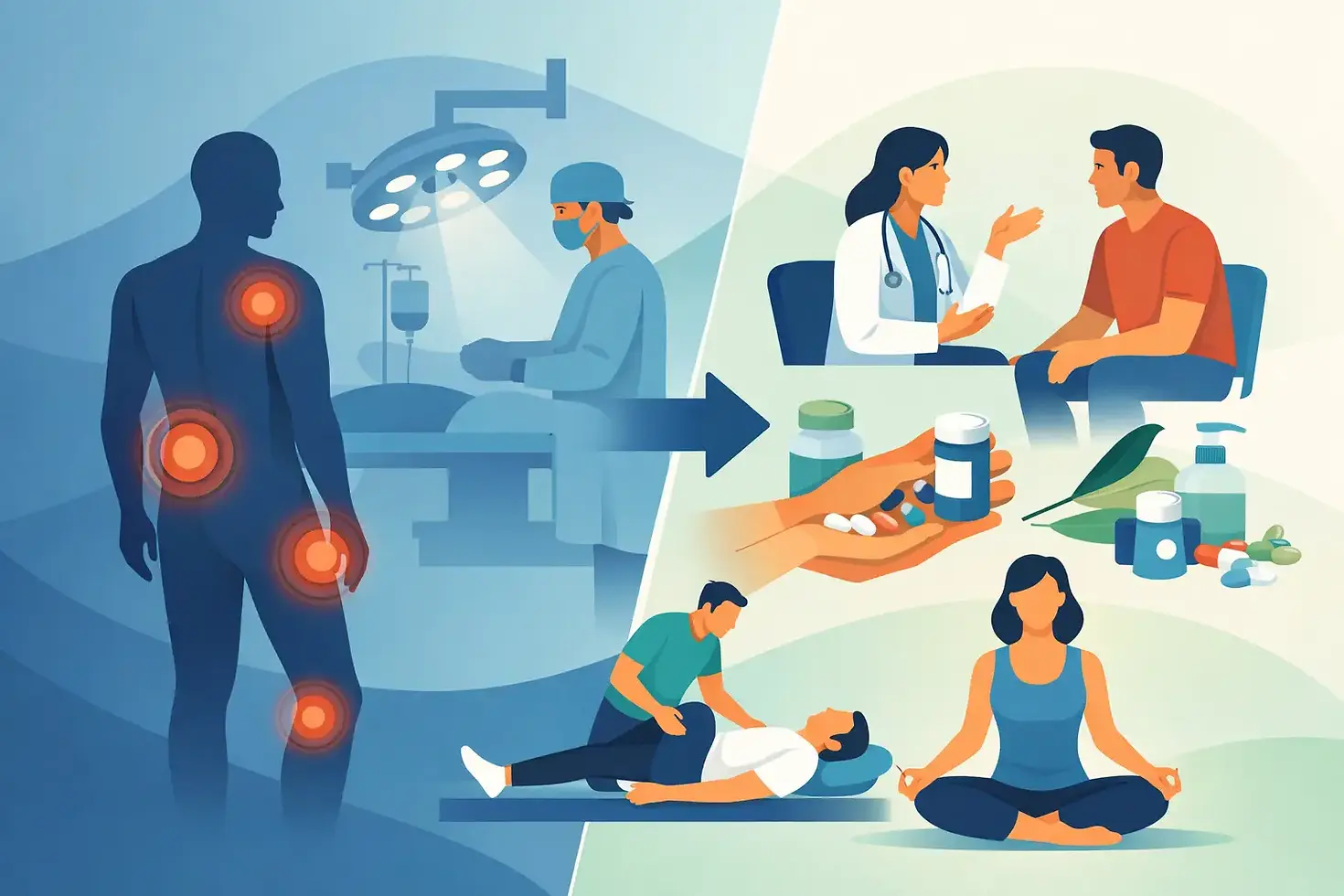
How to Avoid Pain Surgery When Possible

When pain starts taking over daily life, surgery can feel like the only serious option left. That is exactly why so many people search for how to avoid pain surgery - not because they want to ignore a real problem, but because they want to protect their mobility, their income, and their future if a safer path is still available.
For many musculoskeletal conditions, chronic pain problems, and post-injury limitations, surgery is not the first or only answer. Pain often builds through inflammation, weakness, compensation patterns, poor movement mechanics, nerve irritation, scar tissue, or delayed recovery after a hospital visit. If those factors are never fully addressed, people can end up pushed toward procedures before conservative care has had a fair chance to work.
How to avoid pain surgery starts with the right question
The better question is not simply, "How do I avoid an operation?" It is, "What is actually causing my pain and loss of function, and has it been treated completely?" Those are not the same thing.
A scan may show a disc issue, joint wear, or tissue damage, but imaging does not always explain the full picture. Many people have abnormal MRI or X-ray findings without severe pain. Others have major functional limitations driven by stiffness, weakness, nerve sensitivity, swelling, gait changes, or postural compensation that never appears clearly on imaging. When treatment focuses only on the picture and not on the person, surgery may seem more necessary than it really is.
That is why a thorough non-surgical evaluation matters. Before agreeing to an invasive procedure, patients should understand whether they have had a real trial of targeted therapy, movement retraining, pain management, and progressive rehabilitation.
When surgery may not be the first step
Not every painful condition should be managed conservatively forever. There are cases where surgery is urgent or clearly appropriate, such as certain fractures, severe nerve compression with progressive loss of function, some advanced structural injuries, or medical emergencies. Avoiding surgery at all costs is not the goal. Avoiding unnecessary surgery is.
For a large number of people with back pain, neck pain, shoulder dysfunction, knee pain, post-stroke stiffness, chronic joint pain, and soft tissue restrictions, conservative treatment can reduce symptoms and restore function enough to delay or even eliminate the need for surgery. The key is whether treatment is specific, skilled, and consistent.
This is where many people get stuck. They may have tried a few generic exercises, a short course of medication, or brief visits that focused on temporary relief. Then they are told they have "failed conservative care." In reality, they may never have received the right conservative care in the first place.
Why pain becomes surgical when recovery is delayed
Pain conditions often become more complicated with time. A small problem that could have responded to hands-on care and guided rehabilitation can turn into chronic guarding, muscle wasting, reduced range of motion, poor balance, and fear of movement. Once that happens, surgery may be considered not only because of the original issue, but because the body has adapted around it in unhealthy ways.
Early intervention matters because the body changes under prolonged pain. Joints stiffen. Muscles stop firing well. Sleep gets worse. Walking patterns shift. Work becomes harder. People move less, which creates even more weakness and deconditioning. The longer this cycle continues, the harder recovery becomes - with or without surgery.
That is why timely, specialized treatment can be so powerful. It does more than reduce pain in the moment. It helps interrupt the chain reaction that makes pain more disabling over time.
What a strong non-surgical plan should include
If you want to know how to avoid pain surgery in a realistic way, the answer is rarely one treatment. It is usually a structured plan.
A strong plan begins with a clear assessment of pain triggers, movement limits, tissue restrictions, nerve involvement, strength deficits, and daily function. From there, treatment should be built around your actual condition rather than a one-size-fits-all routine.
Hands-on therapeutic care can help reduce soft tissue restriction, improve circulation, calm protective muscle guarding, and restore mobility where stiffness is driving pain. Corrective exercise then helps the body hold those gains. Without strengthening and movement retraining, temporary relief often fades.
Education is another essential piece. Patients need to understand what is safe, what is aggravating, what recovery should feel like, and how to build function gradually. Fear can become its own barrier. When people are afraid to bend, walk, lift, or use an affected limb, pain often worsens because the body becomes less resilient.
In more complex cases, care may also need to address swelling, lymphatic issues, stroke-related deficits, chronic inflammation, or long periods of immobility after hospitalization. These are the overlooked recovery gaps that often keep people from healing well.
How to avoid pain surgery without ignoring serious symptoms
Trying conservative care does not mean minimizing danger signs. If pain comes with rapidly worsening weakness, loss of bowel or bladder control, signs of infection, severe trauma, chest symptoms, or sudden major neurological change, immediate medical evaluation is essential.
For everyone else, non-surgical care should be judged by function, not just by pain level on one day. Are you walking better? Sleeping better? Needing fewer pain medications? Regaining range of motion? Returning to work tasks or home activities? Progress is often gradual, and function is the real measure of whether surgery can be postponed or avoided.
It also helps to look at treatment response over a meaningful period. Some patients expect major change in a week, then assume surgery is next when that does not happen. Chronic pain and long-standing dysfunction rarely improve that fast. But there should be signs that the plan is working - better tolerance, improved movement, less flare-up intensity, or more control over symptoms.
The trade-offs patients deserve to hear
Surgery can be life-changing for the right patient at the right time. It can also come with risks, cost, downtime, and no guarantee that pain will fully resolve. Some people still need rehabilitation, medication, or long-term pain support after a procedure. Others develop scar tissue, persistent weakness, or recurring symptoms.
Non-surgical treatment has trade-offs too. It requires consistency, participation, and patience. It may take weeks or months to build durable change. It may not reverse every structural issue. But when it works, it often improves the underlying mechanics of movement and helps patients regain confidence in their bodies without the burden of an invasive procedure.
Patients deserve honest guidance, not pressure in either direction. The right plan depends on diagnosis, symptom severity, medical history, function goals, and how the body responds to treatment.
Why access changes outcomes
One of the biggest reasons people move toward surgery too quickly is not always medical necessity. Sometimes it is lack of access to specialized follow-up care. If affordable treatment is unavailable, delayed, or fragmented, people lose precious time and function.
That is especially true for underserved families, older adults, and patients discharged from hospitals without enough support for long-term recovery. They may be told to "do therapy" but never receive the intensity, continuity, or skilled hands-on care needed to make real progress. Then the condition worsens, and surgery becomes more likely.
This is why mission-driven care matters. Organizations like CAMED exist to close that gap by making advanced non-surgical therapeutic care more accessible to the people who need it most. When patients can get consistent help early enough, they have a better chance to recover strength, reduce pain, and protect independence before invasive treatment becomes the default.
What to do before agreeing to surgery
If surgery has been recommended, pause long enough to ask a few hard questions. Has the diagnosis been fully explained? Is the procedure meant to save function, reduce pain, or both? What conservative treatments have truly been attempted, and were they specific to your condition? What happens if you wait and pursue a focused rehabilitation plan first?
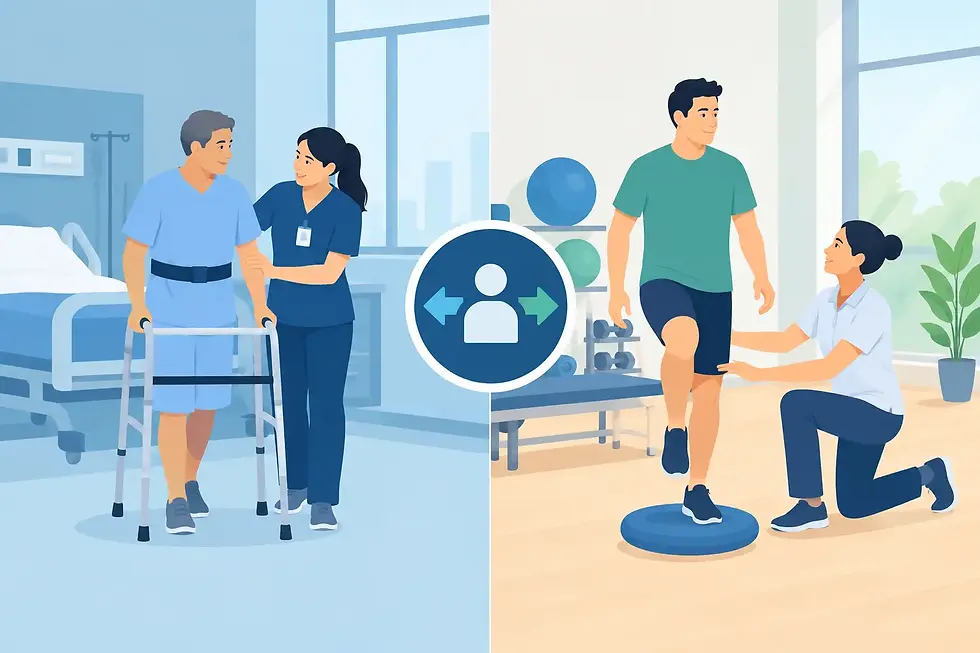
It is also reasonable to ask what recovery after surgery would actually involve. Many patients are surprised to learn they will still need extensive therapy, movement training, and pain management afterward. If rehabilitation remains necessary either way, there is value in exploring whether a well-designed non-surgical program can move you forward now.
The goal is not to prove you are tough enough to avoid surgery. The goal is to make a fully informed decision based on function, risk, timing, and hope grounded in evidence.
Pain has a way of making every option feel urgent. But urgency should not replace clarity. If there is still room to restore movement, calm the nervous system, strengthen weak patterns, and rebuild daily function, that path is worth taking seriously - because protecting your body before surgery becomes necessary is often the most powerful treatment choice of all.


Comments